How to Arrange Furniture for Better Flow and Function
How to Arrange Furniture for Better Flow – Expert Layout Tips

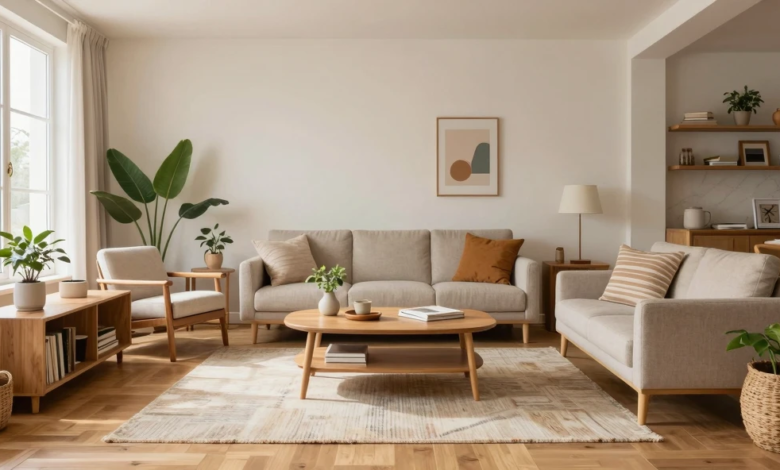
Placing furniture is not merely the act of pushing the furniture to walls, or throwing furniture about. It is about making a room homely, open and comfortable to any person whenever he or she walks in.
The proper layout helps save more of the room, be able to move around with ease and also gives the room the purposeful appearance.
It takes a few simple tricks to change any room into an effective, stylish one without necessarily guessing where each item belongs.
Start With a Clear Plan
Measure your space before you move anything and draw up a rudimentary floor map. The drawing does not need to be fancy, but having the dimensions of the room makes you select the right pieces. Furniture of excessive size or too small will cause imbalance or crowding of a room.
Then, enumerate the major functions of the room. Is it primarily to watch television, read, entertain or a combination of both? Being aware of purpose means that you know where to put seating, tables and storage.
Identify a Focal Point
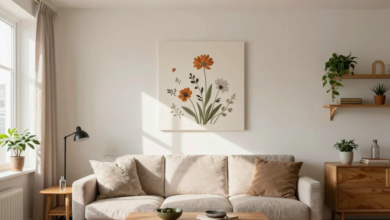
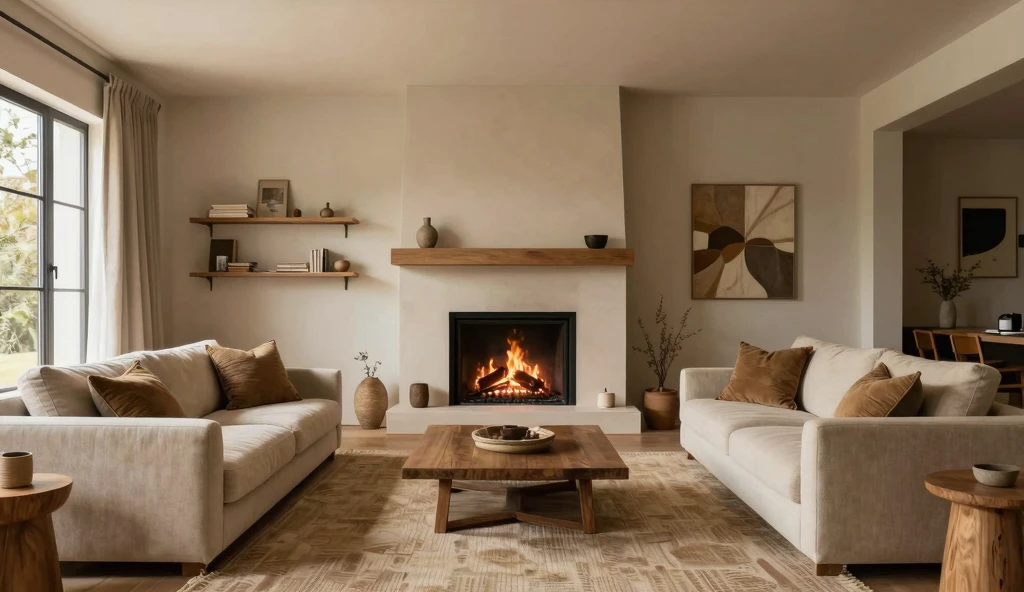
An excellent design begins with a center of attention. It might be a fire place, a huge window, a television, or a work of art. After choosing it, then place the furniture around it in a natural and welcoming manner.
As an illustration, when the star is the fireplace, then position your sofa and chairs in such a way that everybody can easily view it. In case the TV is the central point, seat where the people are comfortable, that is at the best distance to view the television and leave the ways clear.
Leave Room to Move
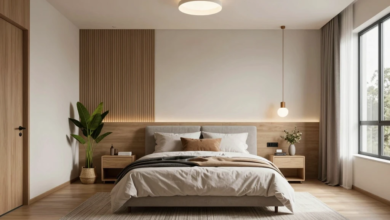
Flow implies that individuals do not have to squeeze between furniture when walking in a room. Traffic routes ensure that life in the day to day is peaceful and hassle free. To do this:
- Provide open spaces between the furnishing pieces.
- Separate spacing between the seating and coffee tables.
- Maintain access to rooms and high traffic zones.
One of the rules is to maintain a clearance of approximately 30 to 36 inches (70 to 90 cm) in primary walkways, 18 to 24 inches (45 to 60cm) between seats and tables.
When there is congestion in the traffic areas, the room will appear cluttered despite having few furniture.
Move Furniture Out of the Walls.
The room seems to be flat and less intimate with sofas and chairs pushed directly against walls. To do this, pull the furniture closer together in order to form a natural conversation area. This brings togetherness and provides breathing space to the room.
In small rooms, even a few inches that separate a sofa and a wall can result in an open space.
Create Functional Zones
Open spaces are an advantage of large rooms. Divide the spaces with pieces of furniture and carpets instead of creating walls:
- There is a comfortable living room that consists of a sofa and two chairs with a rug.
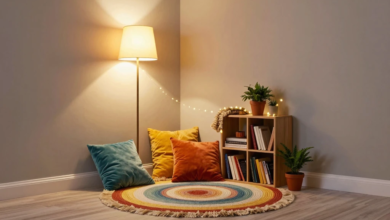
- Reading nooks can be made up of a small table and chairs.
- A dining table or work place can be described as a console behind a sofa.
The establishment of different zones will allow every section of the part to work as it should without causing discontinuity.
Balance Visual Weight
Balance also gives a room a comfortable and stable look. Pieces with size, shape, and color are the sources of a visual weight. When there is a big section of one side, this is matched by smaller chairs or accent tables at the other side.
blend it with different mixes, combine the straight-lined furniture with a round coffee table or soft armchairs to create the rigid lines to be less strict. Such a combination makes the room vibrant and welcoming.
Use Rugs to Anchor Seating
Rugs do more than add comfort. Furniture groupings are anchored by them and seating areas made visually unified. Select a carpet big enough that the front legs of the sofas and chairs mount on it. This renders the layout purposeful and brings the space together.
Rugs may be used to delimit distinct areas, including a conversation area and a reading nook, in open or large rooms.
Mind Sightlines
Arrange the furniture in a way that it organizes naturally. Limit huge sizes that may obstruct windows, doors or structures. As a visitor, the welcoming and harmonious layout, not the back of a sofa, should be available to look at.
When positioning furniture, one needs to consider sightlines to bring out the most attractive aspects of the room.
Don’t Forget Proportions
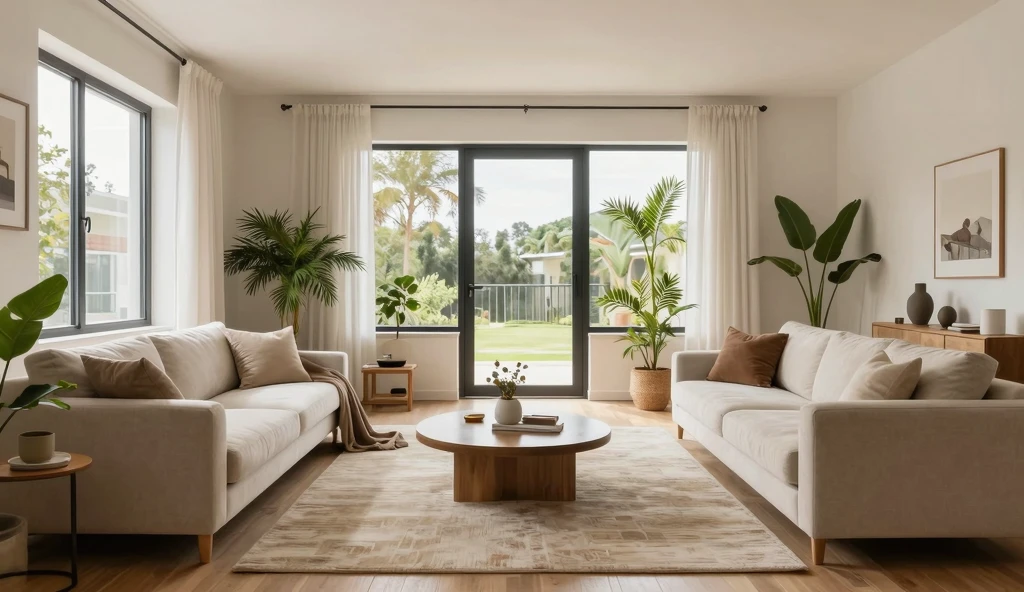
Select furniture that is in line with the size of the room. Huge sofas in a small room will dominate it. Chairs are so small in a large room and they lose their sense. Balanced flow and aesthetics are maintained using proper proportion.
Measure and carry with you over to store visits in order to fit the pieces in your space plan and layout.
Encourage Conversation
Close group seating so that they can easily talk. Prepare the sofas and the chairs in a semi circle or facing one another around a coffee table. This plain design encourages communication and contact.
Also pair casual seating groupings of the two rooms with a focal point in the room even with the TV or fire.
Finally Add Dominating touches
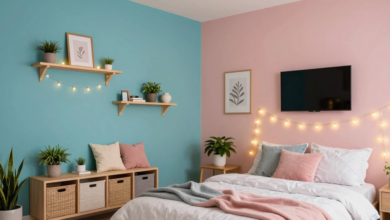
When the furniture is set up little details matter. Enhance zones and fill empty spaces by using throw pillows, lighting and wall art. Corner softeners experience softening through the use of plants or tall shelves that do not clutter the eye but only add visual attraction.
Good accents keep the room together and bring every area to completion.
Conclusion
It does not need rules and perfection to organize furniture to have a better flow. It depends on thought planning, a balance and a little creativity. The room is made to look more workable and welcoming as soon as you focus on the movement, the talking, and the comfort.
These are the tips you can use the next time you update your layout, and you will see your place of living turned into a chic, high-functioning environment that will help you live your life.