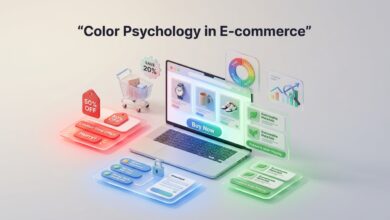
Using Color Psychology in E-commerce Design
If you’ve ever wondered why some online shops make you feel excited to buy, while others seem sterile or confusing, the answer might be closer than you think: it’s the colors. In the digital marketplace, color isn’t just about aesthetics—it’s a powerful psychological tool that can influence trust, urgency, and even how long visitors stay on your site.
With more than 2.14 billion people shopping online worldwide (Statista, 2024), the competition for attention is fierce. E‑commerce brands are constantly searching for an edge, and one of the most effective (yet often overlooked) levers is color psychology. In this article, we’ll dive deep into how color impacts consumer behavior, drawing on the latest research and expert advice from leading voices in the field—Nivara, PX Design SG, Logicommerce, and Strix—to help you craft a site that not only looks good but also converts better.
Why Color Matters in E‑Commerce
Let’s start with the basics: humans process visual information faster than text. Studies show that 90% of snap judgments about products are made based on color alone (Nivara). Within the first few seconds of landing on a website, a shopper’s subconscious is already forming opinions about your brand’s trustworthiness, value, and personality—all based on the colors they see.
But it’s not just about first impressions. Color also acts as a visual guide, drawing attention to calls‑to‑action (CTAs), highlighting deals, and creating a cohesive brand experience. When used intentionally, color can:
- Build trust and credibility
- Evoke emotions that drive action
- Improve navigation and usability
- Differentiate your brand from competitors
- Reduce cart abandonment
Ignoring color psychology is like designing with one hand tied behind your back.
The Psychology Behind Popular E‑Commerce Colors
Let’s break down the most commonly used colors in e‑commerce and what science—and real‑world data—says about their effects.
Red: The Color of Urgency and Excitement
Red is bold, energetic, and impossible to ignore. It’s linked to excitement, urgency, and even appetite (especially in food e‑commerce). That’s why you see red used for sale banners, “Buy Now” buttons, and clearance sections.
“Red stimulates the senses and can increase heart rate, making it perfect for drawing attention to special offers or CTAs.”
But beware: too much red can feel overwhelming or even aggressive. Use it as an accent color, not as your main brand hue.
Blue: The Color of Trust and Calm
Blue is the world’s favorite color, often associated with trust, reliability, and calmness. That’s why financial institutions and tech giants like PayPal, Facebook, and LinkedIn lean heavily on blue in their interfaces.
“Blue is proven to lower stress and encourage users to complete forms or check out confidently.”
For e‑commerce, blue works wonders on login screens, account dashboards, and trust badges. Darker blues signal sophistication; lighter blues feel more approachable.
Green: Nature, Health, and Growth
Green is the go‑to color for eco‑friendly, health & wellness brands. It evokes feelings of peace, growth, and safety—perfect for organic food stores, supplement shops, or sustainable fashion.
“Consumers are more likely to trust brands using green when shopping for health or environmentally‑friendly products.”Green can also be used subtly to encourage “proceed” actions, thanks to its calming effect.
Yellow: Optimism and Attention
Yellow is bright, cheerful, and highly visible. It’s great for highlighting new arrivals, promotions, or key features—but it should be used sparingly. Too much yellow can cause eye strain or anxiety.
“Yellow grabs attention but can overwhelm if overused. Best as an accent to guide the eye.”
Orange: Energy, Affordability, and Fun
Orange sits between red’s energy and yellow’s optimism. It’s friendly, affordable, and energetic—ideal for youth‑oriented brands or deals on budget‑friendly items.
“Orange increases impulse buys and is often used by discount retailers to create a sense of excitement and value.”
Purple: Luxury and Creativity
Purple has long been tied to royalty & luxury. Today, it’s used by high‑end fashion, beauty, and creative brands to signal exclusivity and sophistication.
“Luxury e‑commerce brands leverage purple to evoke a sense of prestige and creativity.”
Black & White: Minimalism and Luxury
Black communicates elegance, exclusivity, and premium quality. White, on the other hand, stands for cleanliness, simplicity, and modernity. Together, they create a powerful minimalist look favored by brands like Apple and Chanel.
“Black and white palettes are often used by luxury brands to emphasize simplicity and focus on the product.”
Applying Color Psychology to Your E‑Commerce Design
Now that we know what each color “says,” how do you translate that into an effective online store? Here’s a step‑by‑step approach, informed by best practices from the experts cited above.
1. Define Your Brand Personality
Before you pick a single color, ask yourself:
- What feelings do I want my brand to evoke? (Trust? Excitement? Calm?)
- Who is my target audience?
- What does my competition look like—and how can I stand out?
For example, a premium skincare brand might choose soft greens and whites to signal natural purity, while a streetwear startup could opt for bold blacks, oranges, and neon accents to feel youthful and energetic.
2. Use Color to Guide the Customer Journey
Think of your website as a funnel. Each color should have a purpose at every stage:
- Homepage: Use brand colors to build recognition and trust.
- Product Pages: Keep backgrounds neutral so products “pop.” Use accent colors to highlight key benefits or CTAs.
- Checkout: Use calming, trustworthy colors (like blue or green) to reduce friction and encourage completion.
- Error/Alerts: Red for urgent warnings—but pair with text for accessibility.
3. Make CTAs Irresistible
The color of your call‑to‑action buttons can have a huge impact. According to PX Design SG, a simple color change from green to red on a CTA increased conversions by 21% for a fashion retailer.
“Colors like red and orange create urgency, while blue and green foster trust—choose based on the CTA’s purpose.”
A/B test your CTAs! Try different hues and monitor the results for at least two weeks.
4. Prioritize Accessibility
Not everyone sees color the same way. About 8% of men and 0.5% of women worldwide have color vision deficiency (WHO). Always:
- Ensure sufficient contrast between text and background (minimum 4.5:1 for normal text, WCAG guidelines).
- Don’t rely solely on color to convey information (e.g., don’t use “red = error” without an accompanying message).
- Test your site using color‑blindness simulators (like Coblis or WebAIM).
Real‑World Examples and Case Studies
Let’s look at how real brands have leveraged color psychology:
Zalando: Switching their “Add to Cart” button from grey to red led to a 12% increase in conversions (Nivara).
Charity: Water: Their clean blue‑white palette reinforces trust and transparency, crucial for a charity operating online.
Etsy Sellers: Stores using green in their banners see up to a 15% higher click‑through rate on “Shop Now” buttons (Logicommerce).
These examples show that even small color tweaks can lead to significant gains.
Common Color Mistakes in E‑Commerce
Even savvy merchants can stumble when it comes to color. Here are the top pitfalls to avoid:
- Overwhelming the Senses: Too many colors on one page create visual noise and distract from your products.
- Ignoring Brand Consistency: If your logo is blue, but your emails are purple, you dilute brand recognition.
- Neglecting Mobile Experience: Colors may appear differently on various devices and in different lighting.
- Assuming One Size Fits All: What works for a luxury brand may backfire for a playful, youth‑oriented one.
- Failing Accessibility Tests: A beautiful site that’s unusable for color‑blind users isn’t really “usable.”
How to Get Started: A 4‑Step Action Plan
Ready to harness color psychology for your e‑commerce site? Here’s a simple roadmap:
- Audit Your Current Site: List all the colors you use and map them to their functions.
- Research Your Audience: Consider age, culture, and color preferences.
- A/B Test Key Elements: Start with your CTA buttons and product backgrounds.
- Monitor & Iterate: Use analytics to track conversions, bounce rates, and average session duration after color changes.
And don’t forget—color is just one part of the branding puzzle. Pair it with great photography, clear copy, and fast load times for the full effect.
Final Thoughts
Color psychology isn’t a magic bullet, but it’s one of the most powerful tools in your e‑commerce toolkit. When used thoughtfully, color can make your brand stand out, build trust, and guide customers seamlessly from browsing to buying.
Remember: every shade tells a story. Make sure yours is the one your customers want to remember.
Ready to take your e‑commerce design to the next level?
Start experimenting with color psychology today—and let the data guide your decisions. Your customers’ eyes (and wallets) will thank you!