Sustainable interior design : A Friendly Guide to Eco‑Conscious Interior Spaces
Sustainable Interior Design: Eco-Friendly Home Ideas

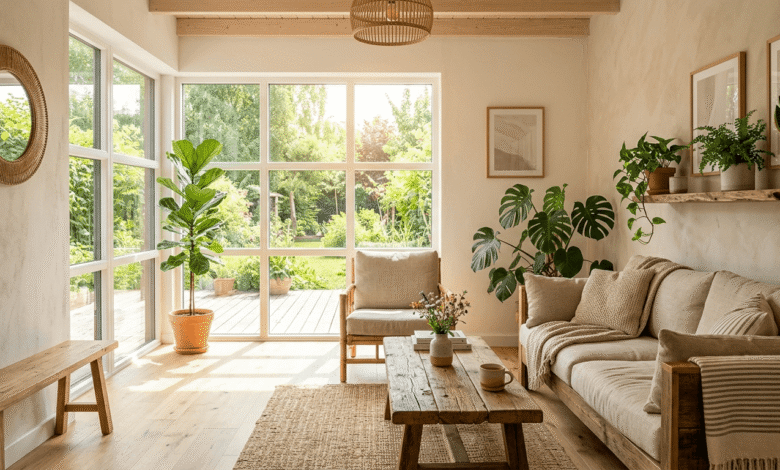
Have you ever walked into a room and just felt something was missing — even though it looked beautiful? What if that room could not only look good but also be better for the planet and your health? That’s where it comes in.
This way of designing spaces focuses on choosing materials and practices that reduce waste, save resources, and bring a sense of calm and balance into your home. Today, sustainable interiors are becoming more common in houses and workplaces around the world because people want spaces that feel good and do good.
In this article, you’ll learn what sustainable interior design is, why it matters, practical strategies, real examples, and how to make your space both stylish and eco‑friendly.
What Is Sustainable Interior Design?
Sustainable interior design means planning and decorating spaces in a way that protects the environment, supports human well‑being, and lasts a long time. It isn’t just about choosing a look — it’s about making choices that reduce harm to the planet and make your space healthier to live in.
This includes:
- Picking materials that are renewable or recycled.
- Reducing energy and water use.
- Minimizing waste in construction and decor.
- Improving air quality and comfort.
Unlike quick trends that fade, sustainable design focuses on ideas and materials that stand the test of time — both in style and environmental impact.
Why It Matters for Homes and Offices
Environmental Benefits
Traditional interior design choices can have a big environmental footprint. From manufacturing to disposal, many materials consume energy and create waste. Sustainable interiors help reduce that impact by choosing products that are:
- Better for the Earth
- Longer‑lasting
- Made with fewer toxins
- Easier to recycle
Health and Well‑Being
Some conventional paints, finishes, and fabrics contain chemicals that slowly release into indoor air and may affect health. Sustainable choices like low‑VOC paints and natural textiles improve indoor air quality and make spaces feel fresher and safer.
Longevity and Value
Eco‑friendly materials often last longer and require less maintenance. That means fewer replacements and lower long‑term costs. Plus, homes designed with sustainability in mind often have higher resale value and better overall appeal.
Key Strategies for Sustainable Interior Design
Below are practical approaches you can use when planning or updating a space to make it more sustainable.
1. Choose the Right Materials
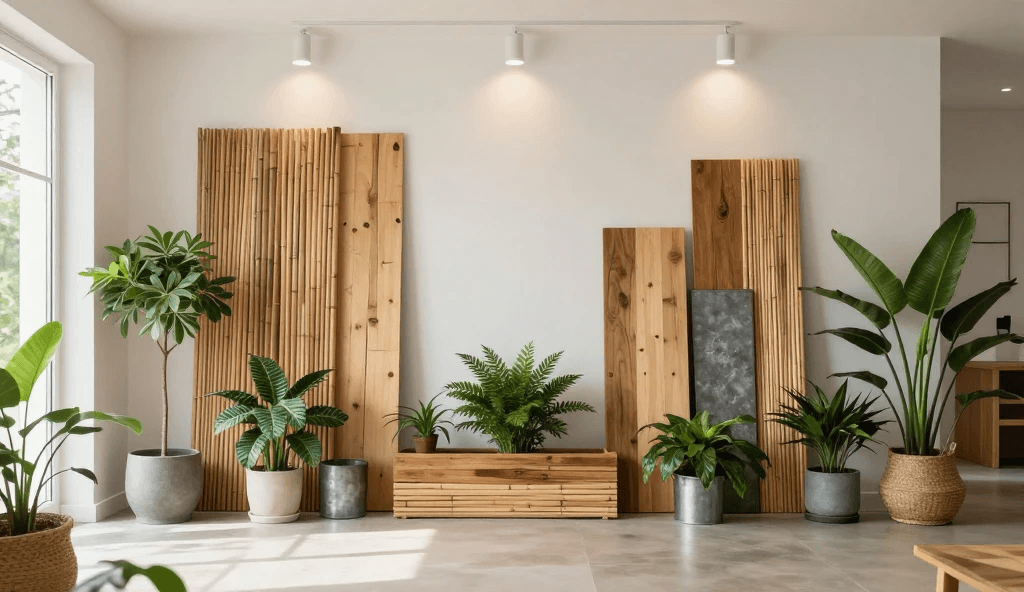
Selecting eco‑friendly materials is one of the biggest steps you can take. These materials should come from renewable sources, be durable, and have a minimal environmental footprint.
Examples of great sustainable materials:
- Bamboo: A fast‑growing plant that makes durable flooring, furniture, and accessories.
- Reclaimed wood: Wood reused from old buildings or furniture, giving it a second life with character.
- Recycled metals and glass: Perfect for countertops, fixtures, and decorative items.
- Natural stone: Long‑lasting and beautiful for floors or walls.
These materials help lower waste and reduce reliance on newly harvested resources.
2. Plan for Energy Efficiency
Energy use makes up a big part of a building’s environmental impact. Smart design can cut energy use and bills at the same time.
Ways to improve energy use:
- As much as possible, maximize natural light through large windows and bright colors on walls.
- Install LED light bulbs, which use much less electricity.
- Choose energy‑efficient appliances with good ratings.
Natural light doesn’t just save energy — it also makes spaces feel bigger and more inviting.
3. Prioritize Indoor Air Quality
Keeping air inside your home clean is essential for health. Sustainable interior design improves air quality by:
- Using low‑VOC or zero‑VOC paints and finishes
- Choosing fabrics without harmful chemicals
- Adding indoor plants to filter air naturally
Good ventilation and airflow also help prevent stale air and humidity build‑up.
4. Minimize Waste and Reuse What You Can
Instead of throwing old furniture or materials away, think about reuse or repurposing.
Ideas to reduce waste:
- Upcycle an old dresser into a TV cabinet
- Refinish wood furniture instead of replacing it
- Donate items you no longer need to charity or reuse centers
This not only saves resources but also adds unique character to your space.
5. Organize Spaces Thoughtfully
Good spatial organization can make rooms more functional and long lasting.
Try:
Multipurpose furniture that adapts to more than one use.
Modular layouts that can easily change as needs evolve.
Smart storage that reduces clutter because clutter often leads to unnecessary purchases.
Design Philosophy: A Holistic Approach
At its heart, sustainable design is a mindset. It’s about thinking beyond trends and asking:
- “How will this affect people?”
- “What happens when this item wears out?”
- “Can we do this with less waste?”
This philosophy connects aesthetics with responsibility. Instead of sacrificing beauty for sustainability, many designers find that eco‑conscious spaces feel better because they bring natural elements, thoughtful materials, and purposeful layouts together.
Real Examples of Sustainable Interiors
Here’s how these ideas come to life in real homes and offices:
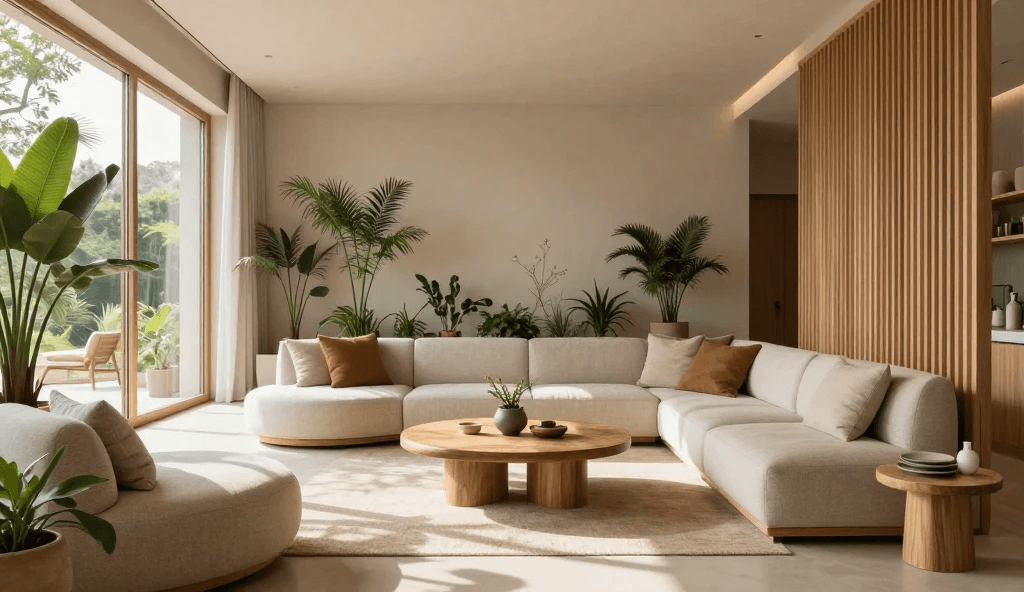
Living Room
- Reclaimed wood shelves and coffee table
- Large windows to bring in natural light
- Indoor plants like peace lilies or ferns to clean air
Kitchen
- Recycled glass countertops
- Energy‑efficient fridge and stove
- Bamboo cutting boards and shelves
Bedroom
- Organic cotton bedding
- LED lamps and dimmers
- Durable, multipurpose furniture
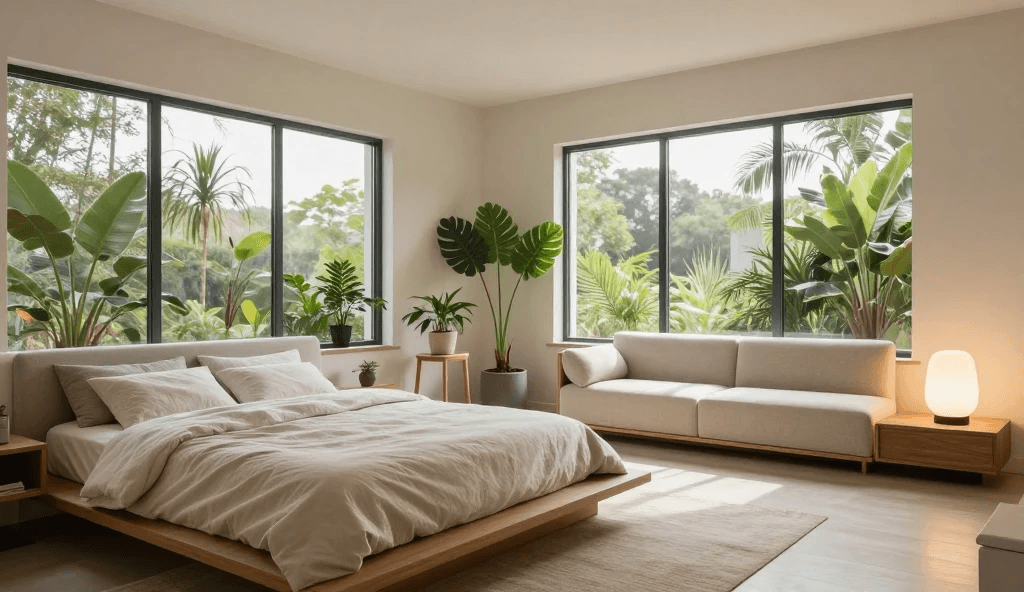
These choices show that sustainability can be beautiful, practical, and modern.
Tips for Maintaining a Sustainable Space
Once your space is designed sustainably, keeping it that way is easy with a few habits:
- Keep furniture and finishes clean and well‑maintained to last longer
- Avoid buying decorations in excess
- Donate items you no longer need
- Choose washable, reusable items instead of disposable ones
These small decisions add up to less waste and less stress over time.
Conclusion
Sustainable interior design isn’t just about design — it’s about thoughtful choices that benefit your home and the planet. By focusing on renewable materials, better energy use, improved air quality, and smart planning, you can create spaces that are beautiful, healthy, and long‑lasting.
Sustainable interiors are more than a trend — they’re becoming the new standard for thoughtful living. Taking steps toward sustainability today can help protect the environment tomorrow.
Frequently Asked Questions (FAQs)
1. What is sustainable interior design?
It’s designing spaces in ways that reduce environmental harm, improve health, and use materials responsibly.
2. Are eco‑friendly materials expensive?
Some may cost more upfront, but many save money over time because they last longer and reduce energy costs.
3. Can I make my current home more sustainable?
Yes! You can start with energy‑efficient lighting, indoor plants, and low‑VOC paints.
4. How does sustainable design benefit health?
By improving air quality and reducing exposure to harmful chemicals from paints and fabrics.
5. What’s an easy first step to start?
Begin with LED lighting and maximizing natural light in your space.