Introduction
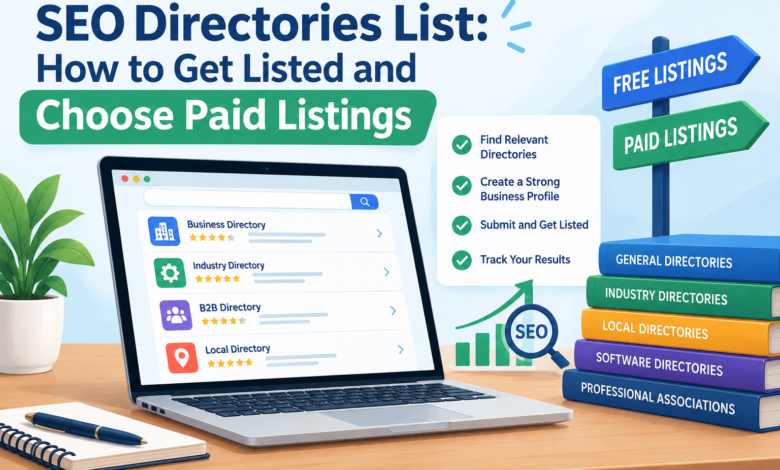
Building a strong online presence requires more than publishing content and optimizing website pages. Business directories can help companies reach relevant audiences, improve brand visibility, and generate potential leads. However, choosing the right directories matters more than submitting your website everywhere.
A well-planned SEO directories list helps businesses identify suitable platforms for their industries and audiences. Some directories offer free listings, while others charge for enhanced profiles, advertising, or additional exposure. Understanding these options helps businesses make smarter marketing decisions.
For readers Its Tech Club, this guide explains how to find useful directories, submit business information, and evaluate paid listing opportunities. You will also learn how to avoid low-quality platforms that promise SEO benefits without delivering meaningful value.
What Are SEO Directories?
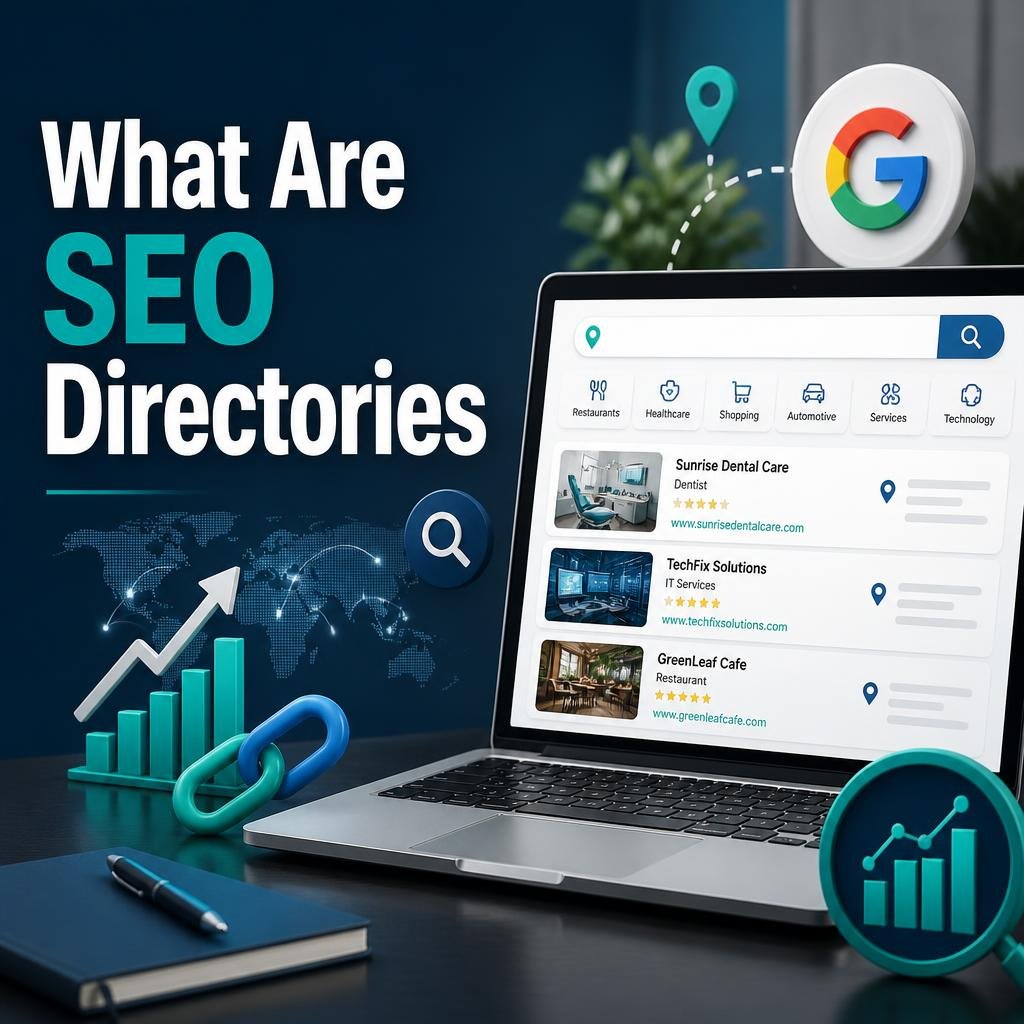
SEO directories are online platforms that organize businesses, websites, products, or professional services into searchable categories. Visitors can browse these categories to discover companies that match their interests or business requirements. Examples include local business directories, software marketplaces, and industry-specific B2B platforms.
A typical directory listing includes a company name, website address, business description, contact information, and relevant categories. Some platforms also display customer reviews, service areas, pricing details, and product information. These details help potential customers understand what a business offers before visiting its website.
Directory listings can support SEO through brand discovery, referral traffic, and relevant business information. However, appearing in a directory does not automatically improve search rankings. Google specifically identifies low-quality directory links as a potential link spam issue. Therefore, businesses should prioritize useful platforms instead of collecting backlinks indiscriminately.
Best Types of Directories for SEO

Choosing the right directory depends on your business model, target audience, and marketing objectives. Different directory categories serve different purposes, so businesses should evaluate their relevance before submitting applications.
General Business Directories
General directories organize companies across multiple industries and business categories. They can help customers discover businesses without requiring specialized industry knowledge. Examples include Yelp, Yellow Pages, and the Better Business Bureau.
These platforms may provide useful exposure when their audiences match your target market. Before submitting, review their geographic coverage, listing requirements, and available business profile features.
Industry-Specific B2B Directories
Industry directories focus on particular sectors, making them useful for businesses targeting professional buyers. Examples include Clutch for service providers, G2 for software products, and Thomasnet for industrial suppliers.
These platforms can help companies reach audiences already researching particular services or products. A relevant listing may generate inquiries from potential customers with stronger purchasing intent.
Local Business Directories
Local directories help customers find businesses operating within specific cities or service areas. Google Business Profile is particularly important for eligible businesses serving customers in person or within designated service areas.
Other options include local chambers of commerce, regional business associations, and established local directories. Accurate contact information and consistent business details make these listings more useful.
Software and Professional Directories
Software companies can explore platforms such as Capterra, G2, and GetApp. Consultants and agencies may benefit from professional directories that organize providers by expertise, location, or service category.
The best choice depends on where your potential customers research solutions. Always check whether the platform accepts your business type and offers meaningful opportunities for discovery.
How to Get Listed in Industry Directories for B2B SEO

Getting listed in industry directories for B2B SEO requires research, preparation, and careful submission. A complete profile helps potential buyers understand your services and decide whether your company meets their requirements.
Step 1: Find Relevant Industry Directories
Start by searching for directories that specialize in your industry, service category, or target market. Useful searches include industry directories for B2B companies, software directories, and professional service directories.
Review competing businesses to identify reputable platforms where they maintain profiles. However, competitor presence alone does not guarantee that a directory deserves your investment.
Step 2: Evaluate Directory Quality
Check whether the directory has a clear purpose, active listings, transparent ownership, and useful information. Look for recent updates, genuine customer reviews, and evidence that visitors actually use the platform.
Avoid websites filled with unrelated businesses, excessive advertisements, and suspicious backlink offers. These warning signs suggest that the platform may provide little value to your audience.
Step 3: Prepare Your Business Information
Collect your official business name, website URL, contact details, company description, and relevant service categories. Prepare a clear description that explains your expertise without repeating keywords unnaturally.
Use consistent information across your listings, especially your business name, address, and phone number. For online businesses without public physical locations, provide only the information appropriate to your operating model.
Step 4: Submit and Complete Your Profile
Follow each directory’s submission guidelines and provide accurate information throughout the application process. Add relevant images, service descriptions, product details, and supporting information whenever the platform allows them.
Some directories review submissions manually, while others publish eligible profiles automatically. Keep confirmation emails and revisit submitted profiles to correct errors or complete missing information.
Step 5: Monitor Listing Performance
Track referral visits, inquiries, conversions, and other meaningful outcomes after your listings become active. Google Analytics and other analytics tools can help identify traffic sources and evaluate visitor behavior.
Review performance regularly and prioritize directories that produce useful engagement. Remove outdated information and reconsider paid listings that consistently fail to support your business goals.
Is It Worth Paying for Directory Listings for SEO?

Whether paid directory listings are worth it depends on the directory’s audience, reputation, features, and commercial value. A paid listing can make sense when it helps your company reach relevant buyers or generate measurable business opportunities.
However, paying for a directory listing solely to obtain a ranking-boosting backlink is risky. Google’s spam policies prohibit buying or selling links primarily to manipulate search rankings. Paid links should use appropriate qualifications, such as rel=”sponsored” or rel=”nofollow”, when applicable.
Benefits of Paid Directory Listings
Paid listings sometimes offer enhanced profiles, additional business information, advertising placements, or improved visibility within a directory. These features can help customers understand your services and discover your company more easily.
For B2B businesses, a specialized directory may provide access to decision-makers actively comparing potential providers. If the platform consistently generates qualified inquiries, its commercial value may justify the listing fee.
Free vs. Paid Directory Listings
Free listings are useful for testing directories without committing marketing budgets. They also help businesses establish accurate profiles and explore whether particular platforms attract relevant audiences.
Paid listings may provide extra promotional opportunities, but their value varies significantly between platforms. Compare actual features, audience quality, contract conditions, and measurable results before making payments.
When Should You Avoid Paying?

Avoid paying for listings that guarantee rankings, promise instant backlinks, or conceal their traffic sources. Be cautious when a directory offers little editorial oversight or accepts almost every submission without meaningful standards.
You should also avoid expensive annual packages before understanding the platform’s audience and commercial potential. Start with free options whenever possible, then consider paid upgrades when clear benefits justify their costs.
How to Evaluate a Directory Before Submitting

A directory deserves attention when it serves your audience and provides a credible environment for discovering businesses. Evaluating several factors helps you avoid wasting time and money on unsuitable platforms.
Relevance and Audience Quality
Choose directories that match your industry, geographic market, or customer requirements. A smaller specialist directory can be more useful than a larger platform attracting unrelated visitors.
Traffic and Lead Potential
Look for signs of active engagement, updated listings, and useful company profiles. Ask directory representatives for credible performance information when considering expensive advertising or premium placement.
Pricing and Expected Return
Compare the listing fee with realistic opportunities for leads, sales, and brand exposure. Consider renewal charges, additional fees, cancellation policies, and the availability of performance reports.
Link Attributes and Search Guidelines
Check whether directory links are standard editorial links, sponsored placements, or marked with nofollow attributes. Do not assume that every listing provides ranking credit or guarantees improved search performance.
Common SEO Directory Submission Mistakes
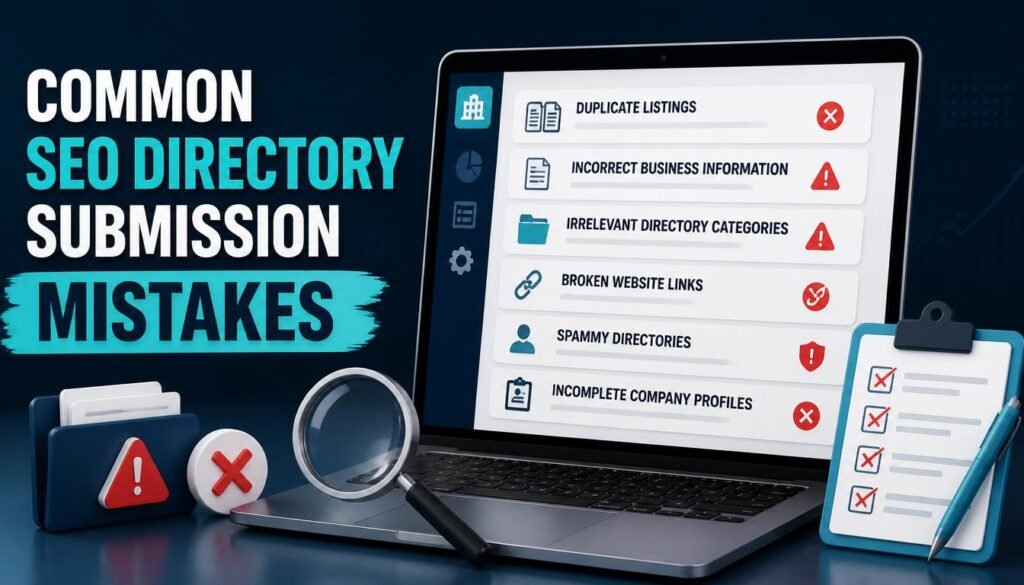
Submitting your business to every available directory often creates unnecessary work and weak marketing results. A more selective approach helps protect your budget while keeping business information accurate.
Avoid these common mistakes:
- Submitting your website to irrelevant or poorly maintained directories.
- Repeating exact-match keywords unnaturally throughout business descriptions.
- Paying for guaranteed rankings or manipulative backlink packages.
- Publishing inconsistent company details across multiple platforms.
- Ignoring renewal terms, listing restrictions, and cancellation policies.
- Measuring success through backlink counts instead of meaningful business outcomes.
Focus on accurate profiles, relevant audiences, and genuine customer discovery opportunities. These priorities provide a more sustainable foundation for directory marketing than indiscriminate submissions.
How to Measure Directory Listing Results

Measuring results helps you understand which directories deserve continued attention and investment. Begin by tracking referral traffic, contact form submissions, phone inquiries, and conversions associated with individual platforms.
Use campaign tracking parameters where appropriate to distinguish traffic from different promotional listings. Compare visitors’ engagement and conversion behavior rather than judging directories solely by total clicks.
For paid listings, calculate the cost per qualified lead and compare it with other marketing channels. A directory generating fewer visitors may still be valuable when those visitors become paying customers.
Review performance over a reasonable period because results can vary by industry, audience, and purchasing cycle. Keep successful listings updated and reconsider platforms that consistently fail to meet your objectives.
Conclusion
A carefully selected SEO directories list can support business discovery, referral traffic, and professional credibility when listings reach relevant audiences. The most effective approach combines accurate company profiles, industry-specific research, and consistent performance measurement.
When deciding whether paid directory listings are worth it, evaluate genuine audience value rather than backlink promises alone. Start with suitable free platforms, test paid opportunities cautiously, and invest further when measurable results support the decision.
Its Tech Club encourages readers to approach directory marketing strategically and focus on sustainable business growth. Choose quality over quantity, follow search engine guidelines, and make every directory submission serve a clear marketing purpose.