
Many people want better roads, healthcare, education, and public services but rarely understand how these priorities are planned. Local governments rely on structured planning documents to guide development, allocate resources, and improve community well-being over several years. Understanding what is county integrated development plan helps citizens become informed participants instead of passive observers. At Its Tech Club, we believe informed communities contribute to stronger local governance and more effective public decision-making.
A County Integrated Development Plan, commonly called a CIDP, provides a long-term roadmap for sustainable county growth. It outlines development priorities, budget considerations, infrastructure projects, and public service improvements based on community needs. The plan also promotes transparency by connecting government spending with clearly defined objectives and measurable outcomes.
Learning how these plans work allows residents to better understand local government decisions and hold leaders accountable. Citizens who understand development planning can participate more confidently during consultations and public discussions. This knowledge strengthens democratic participation while encouraging responsible and transparent local governance.
The Crucial Role of Strategic Planning in Local Growth
Strategic planning provides local governments with a clear direction for managing development over several years. Without structured planning, projects may compete for limited resources while important community needs remain unaddressed. A well-prepared development strategy helps counties prioritize investments based on evidence, available funding, and long-term objectives.
Rapid population growth places increasing pressure on transportation systems, healthcare facilities, schools, housing, and public utilities. Counties must anticipate future demands instead of reacting only after problems become severe. Strategic planning allows governments to prepare infrastructure improvements before communities experience overwhelming service shortages.
Effective planning also strengthens coordination between different government departments and development partners. Shared priorities reduce unnecessary duplication while encouraging efficient use of financial and human resources. This coordinated approach supports balanced economic growth while improving residents’ overall quality of life.
You may also like:
Introduction to Local Governance and Planning
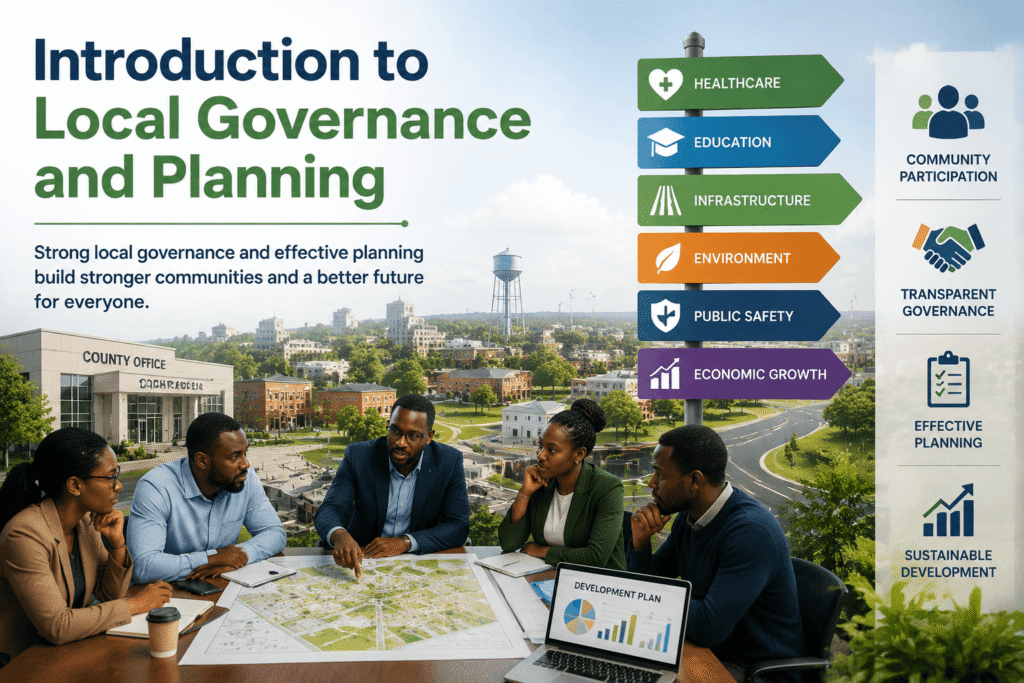
Local governments carry significant responsibility for delivering essential services that directly affect everyday life. Roads, sanitation, healthcare, agriculture, education support, and public safety often depend on effective county leadership. Strong planning ensures these services develop according to community priorities rather than short-term political interests.
Many citizens feel disconnected because government planning processes often appear technical and difficult to understand. Official documents sometimes contain complex terminology that discourages meaningful public engagement during consultations. Improving public awareness helps residents recognize how planning decisions influence future development within their own communities.
Transparent governance depends on open communication between local authorities and the people they serve. Governments benefit from community knowledge because residents understand local challenges better than anyone else. Public participation therefore strengthens planning while increasing trust between citizens and public institutions.
You may also like:
Breaking Down the Basics: What Is County Integrated Development Plan?
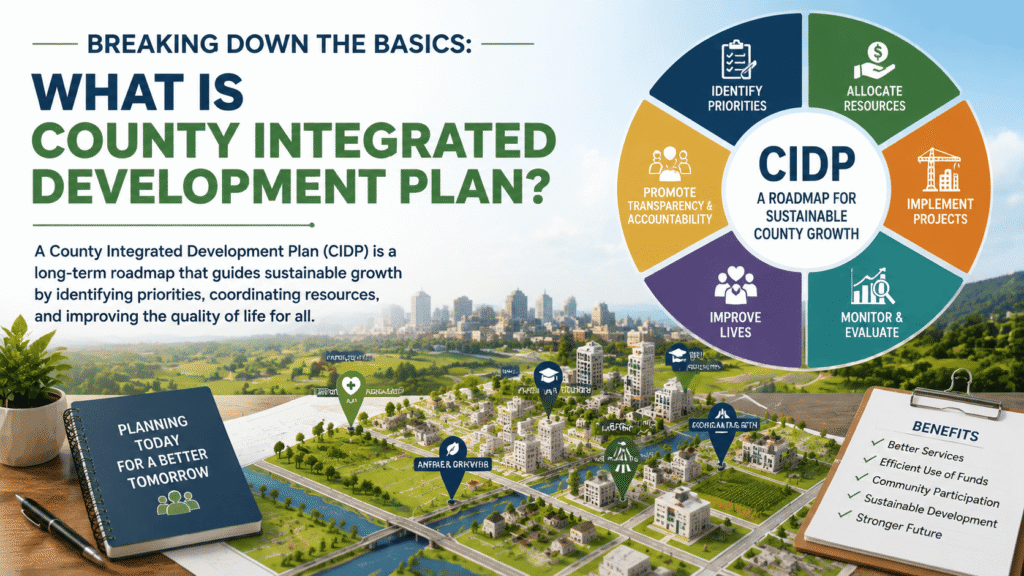
Understanding what is county integrated development plan begins with recognizing its purpose as a comprehensive development framework. A County Integrated Development Plan outlines long-term goals, priority projects, available resources, implementation strategies, and expected outcomes within a specific planning period. Many counties prepare these plans to guide sustainable growth while ensuring responsible public investment.
The plan usually identifies important sectors including healthcare, education, transportation, agriculture, water services, environmental protection, housing, and economic development. Each sector includes measurable objectives supported by realistic budgets and implementation timelines. This structured approach helps decision-makers balance immediate community needs with future development priorities.
Although preparation methods vary across different countries, the overall objective remains remarkably consistent. County governments use integrated development planning to coordinate projects, improve accountability, and encourage public participation throughout the planning process. Understanding this framework enables citizens to follow government priorities while contributing informed feedback during future consultations.
You may also like:
The Key Components of a Successful Development Strategy
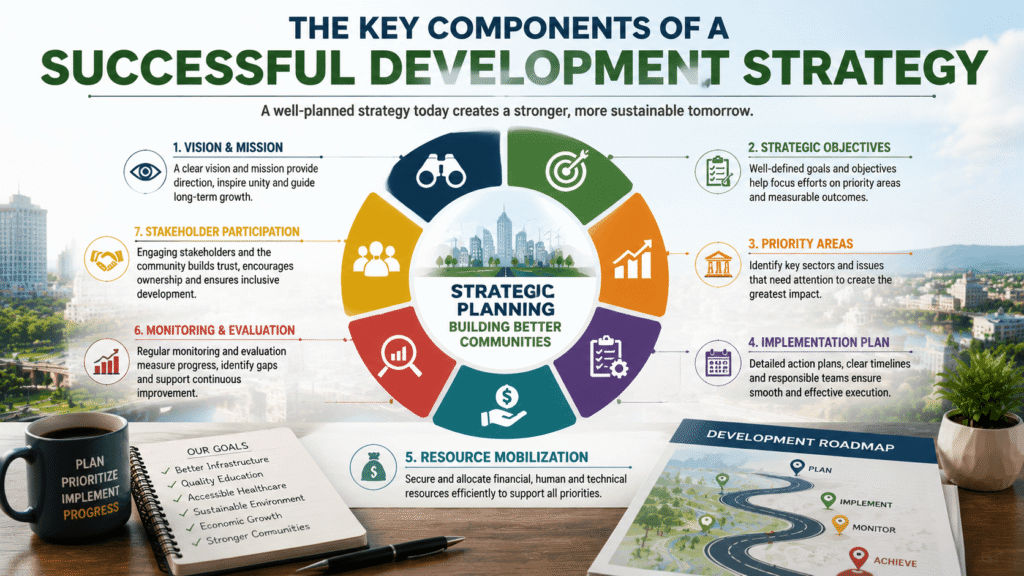
A successful County Integrated Development Plan contains several interconnected elements that guide sustainable local growth. These typically include a vision statement, strategic objectives, sector priorities, implementation plans, funding sources, and performance indicators. Together, these components create a practical roadmap for delivering meaningful improvements across the county.
Clear priorities help governments allocate limited resources where they create the greatest public benefit. Without defined objectives, development funds may become scattered across unrelated projects with little measurable impact. Careful planning reduces delays while improving coordination between government departments and development partners.
Monitoring and evaluation also play an essential role throughout the implementation period. Regular progress reviews help officials measure achievements, identify challenges, and adjust strategies when necessary. This continuous assessment improves accountability while increasing the likelihood of successful project completion.
You may also like:
How These Plans Directly Impact Your Daily Life

Many residents wonder how government planning affects their everyday lives beyond official reports and public meetings. In reality, development plans influence roads, schools, hospitals, water systems, markets, and many other essential community services. Well-designed projects improve convenience while supporting healthier and more productive communities.
A County Integrated Development Plan also encourages balanced investment across different regions instead of concentrating resources in one location. This approach helps underserved communities receive better infrastructure and improved access to essential public services. Fair resource distribution supports economic opportunities while reducing regional development inequalities.
Understanding what is county integrated development plan allows citizens to connect public projects with long-term government priorities. Residents can better evaluate whether completed projects align with approved development goals and promised budgets. Greater public awareness strengthens accountability while encouraging responsible use of public resources.
You may also like:
The Step by Step Process of Drafting and Approving the Framework
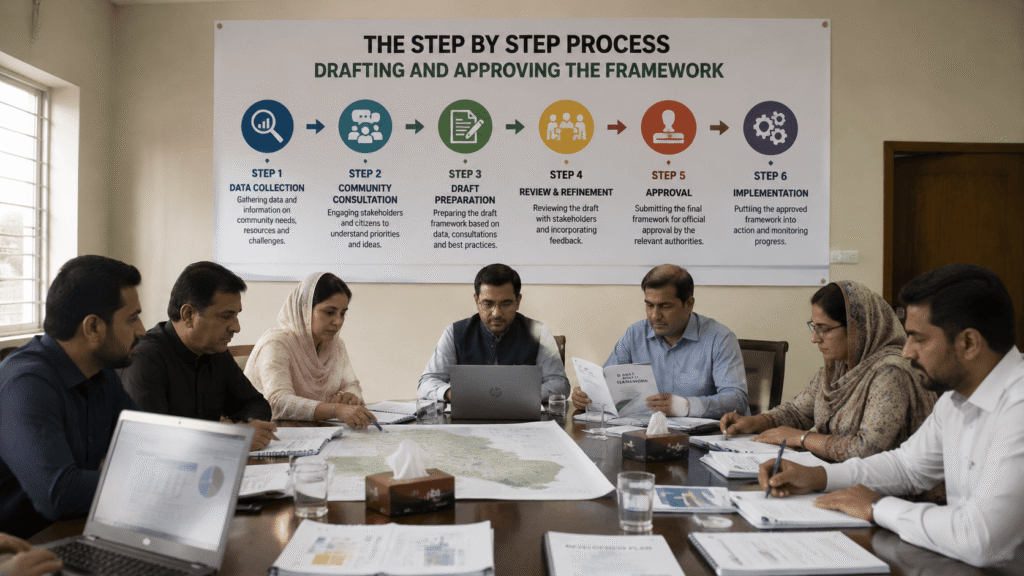
Preparing a County Integrated Development Plan usually begins with collecting information about local conditions and community needs. Government officials analyze population trends, economic activities, environmental concerns, and existing infrastructure before identifying development priorities. Reliable data helps decision-makers prepare realistic strategies supported by available resources.
Public consultation forms another important stage within the planning process. Community members, businesses, civil society organizations, and technical experts often provide valuable feedback before the draft receives final approval. These discussions help ensure proposed projects reflect genuine community needs rather than administrative assumptions.
After revisions, the proposed plan normally moves through formal review and approval procedures established by local laws. Once approved, government departments begin implementing projects according to available funding and planned timelines. Regular reporting allows citizens to monitor progress while promoting greater transparency throughout implementation.
You May also like:
How You Can Actively Participate in the Planning Process
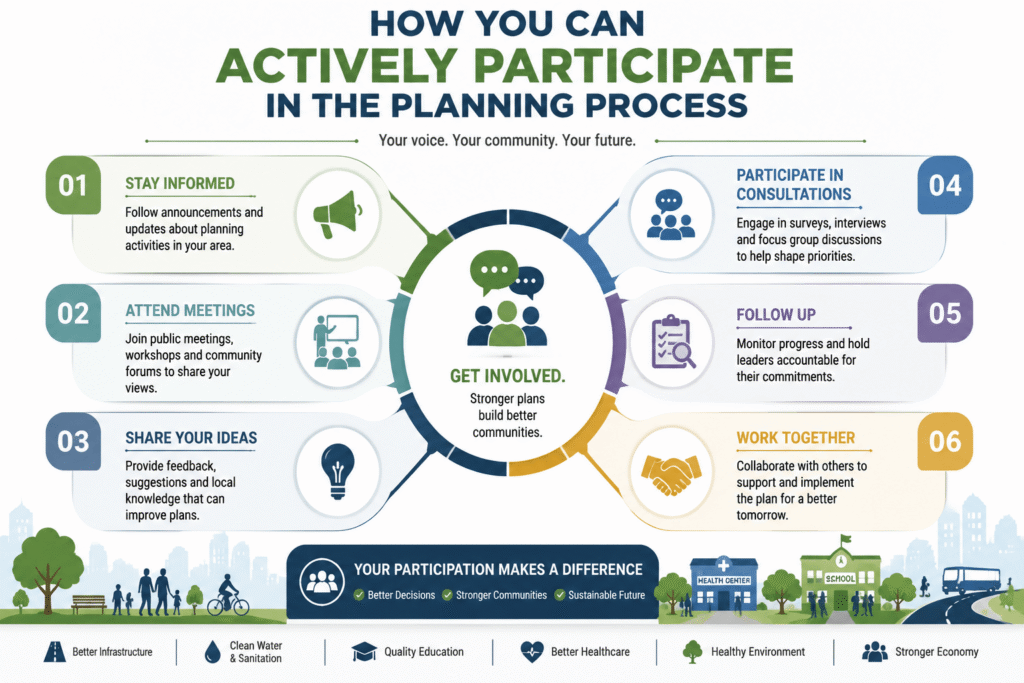
Citizens play an important role in shaping successful development plans through meaningful public participation. Attending public forums, community meetings, and consultation sessions provides opportunities to share local knowledge and practical suggestions. Every informed contribution helps officials better understand community priorities and everyday challenges.
Residents should also review publicly available planning documents whenever possible before participating in consultations. Understanding proposed projects allows citizens to ask informed questions and recommend realistic improvements during discussions. Constructive participation creates stronger partnerships between communities and local government institutions.
Public involvement should continue even after development plans receive official approval. Citizens can monitor project implementation, report concerns, and encourage responsible use of public resources throughout the planning period. Active civic engagement increases accountability while helping governments deliver services that genuinely benefit local communities.
You may also like:
Conclusion
Understanding what is county integrated development plan empowers citizens to participate more effectively in local governance and community development. These plans provide a structured framework for managing public resources while addressing long-term social, economic, and environmental priorities. Successful implementation depends upon transparency, accountability, and meaningful cooperation between governments and residents.
Although every development plan faces challenges, informed public participation greatly improves the likelihood of lasting success. Citizens who remain engaged help ensure approved projects move beyond written documents into practical community improvements. At Its Tech Club, we encourage readers to stay informed, participate actively, and support responsible planning that creates stronger, more resilient communities for future generations.