Introduction
Choosing the right blog site can make your SEO efforts more organized and effective. However, not every blogging platform provides the same opportunities for growth. A strong blog should support useful content, clear navigation, and sustainable search visibility.
For beginners, finding the best blog site for SEO can feel confusing. There are countless platforms offering different features, designs, and publishing options. Your choice should depend on your goals, audience, content strategy, and technical requirements.
At Its Tech Club, we understand that successful blogging requires more than publishing articles regularly. A well-structured website can make your content easier for readers and search engines to understand. Google also recommends organizing websites logically and creating helpful, people-first content.
What Makes a Blog Site Good for SEO?

A good SEO blog site should make publishing and organizing content simple. It should also provide enough flexibility for optimizing important website elements.
Your platform should allow you to create descriptive page titles and useful URLs. It should also support headings, internal links, images, and other essential content elements.
Website structure is another important consideration for long-term SEO performance. Google explains that logical organization can help users and search engines understand relationships between pages.
A useful blogging platform should also provide reliable performance and mobile-friendly pages. Readers increasingly access blogs through smartphones, tablets, and different screen sizes.
You should also consider whether the platform supports analytics and search performance monitoring. These tools help you understand which content attracts visitors and which pages need improvement.
How to Choose the Best Blog Site for SEO

Finding the best blog site for SEO starts with understanding your publishing goals. Different bloggers need different features depending on their experience and content strategy.
First, consider how much control you need over your website. Beginners may prefer simple platforms with easy publishing tools and ready-made designs.
More experienced bloggers might need advanced customization and stronger technical control. They may also want greater flexibility for plugins, integrations, and website optimization.
Next, examine the platform’s content management features carefully. Publishing should be simple, while organizing categories and articles should remain straightforward.
You should also check whether the platform allows descriptive URLs and customizable page titles. These elements can help users understand your pages before visiting them.
Google recommends using clear titles and descriptive URLs because they can improve understanding.
Finally, consider scalability before choosing a platform for your long-term blogging plans. Moving an established blog later can require significant time, effort, and technical preparation.
Important Features to Look For

The right platform should provide features that support both content creation and website organization. Start by checking whether you can customize your website’s basic SEO elements.
Look for easy control over titles, headings, URLs, images, and internal links. These features help you create content that remains useful and accessible.
A good platform should also make website navigation easy for visitors. Clear menus and organized categories help readers discover related articles more efficiently.
Another important feature involves website performance and technical reliability. Slow pages or frequent technical problems can create frustrating experiences for your visitors.
You should also examine the platform’s security and maintenance requirements before committing. A reliable service can reduce unnecessary technical problems as your blog grows.
Analytics access is equally useful because SEO requires ongoing measurement and improvement. Search performance data can reveal which topics deserve additional content or updates.
Best Blog Site Structure for SEO and Traffic
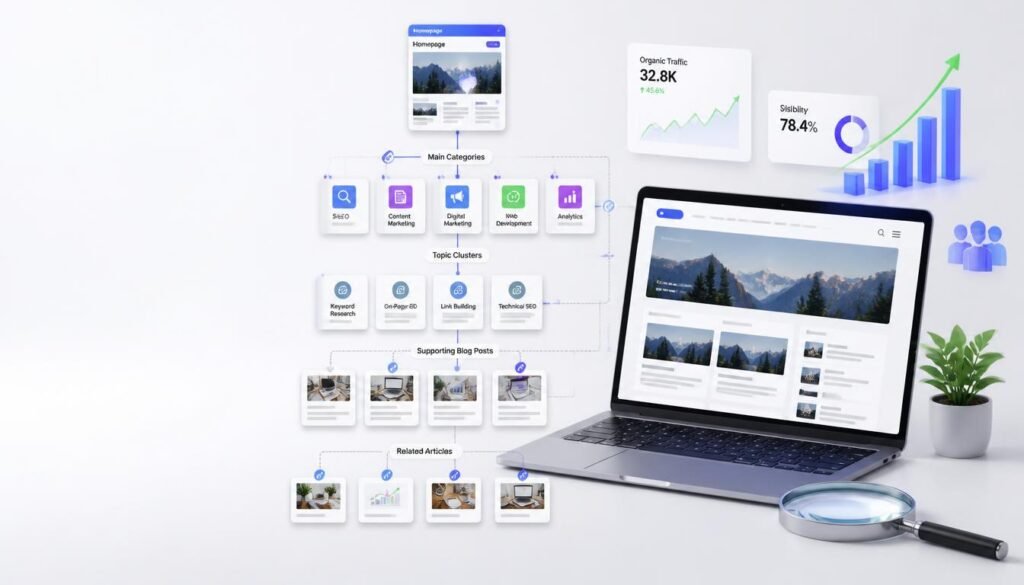
Your blog structure can strongly influence how readers discover and explore your content. A clear structure also helps search engines understand how different pages relate.
Start by creating a few broad categories around your main topics. Each category should contain articles that closely match its specific subject.
For example, an SEO blog could include categories covering keyword research, content marketing, technical SEO, and link building.
You can then create individual articles that answer specific questions within those categories. Relevant internal links should connect related articles whenever those links provide additional value.
Google recommends using internal links to help people and search engines discover important pages. Descriptive anchor text can also clarify what linked pages contain.
Your URLs should remain descriptive and easy to understand. Avoid creating unnecessarily complicated URLs filled with random numbers or confusing characters.
A logical structure can also make future content planning much easier. You can identify missing topics and create supporting articles around your main subjects.
Best Blog Commenting Sites for SEO

Blog commenting has historically been used by marketers for networking and website promotion. However, comments should provide genuine value instead of focusing only on obtaining links.
When looking for best blog commenting sites for SEO, relevance should remain your primary consideration. Choose blogs that discuss topics connected to your website, audience, or professional expertise.
A thoughtful comment can introduce your brand to relevant readers and create useful conversations. However, simply dropping links across unrelated websites rarely provides meaningful long-term benefits.
Google specifically identifies comment spam as a form of user-generated spam. Its guidance also recommends preventing untrusted user links from passing unwanted ranking signals.
Therefore, focus on contributing useful information rather than posting promotional comments repeatedly. Your comments should answer questions, add context, or continue an existing discussion.
This approach can support relationship building while keeping your SEO strategy more natural. Quality participation is generally more valuable than collecting large numbers of irrelevant comments.
Do Blog Comments Still Help SEO?

Blog comments can provide value, but their direct SEO impact should not be overstated. Search engines evaluate many signals when understanding and ranking website content.
A useful comment may generate referral visitors when readers find your contribution genuinely interesting. It can also help you connect with website owners and people within your niche.
However, comments created primarily for backlinks can become spammy and unhelpful. Google lists blog comment spam among examples of user-generated spam.
You should therefore avoid automated commenting tools and repetitive promotional messages. Never copy the same comment across dozens of unrelated websites.
Instead, participate selectively on websites where your knowledge can genuinely help readers. This creates a more sustainable approach to community engagement and online visibility.
How Blog Structure Can Increase Traffic

A strong blog structure can make your website easier to explore and understand. Readers should quickly identify where they are and what information they can find.
Start by connecting related articles through contextual internal links. These links can guide visitors toward deeper information about topics they already care about.
For example, an article about keyword research could link toward content covering search intent. Another article could explain keyword clustering and content planning techniques.
This creates useful pathways throughout your website and encourages readers to explore additional resources. Search engines can also discover pages through links connecting different areas of your website.
Topic clusters can provide another useful organizational approach for growing blogs. You can create one comprehensive article supported by several focused supporting articles.
This structure helps you plan content around related subjects instead of publishing random topics. It also makes internal linking opportunities easier to identify.
Common SEO Blog Mistakes to Avoid
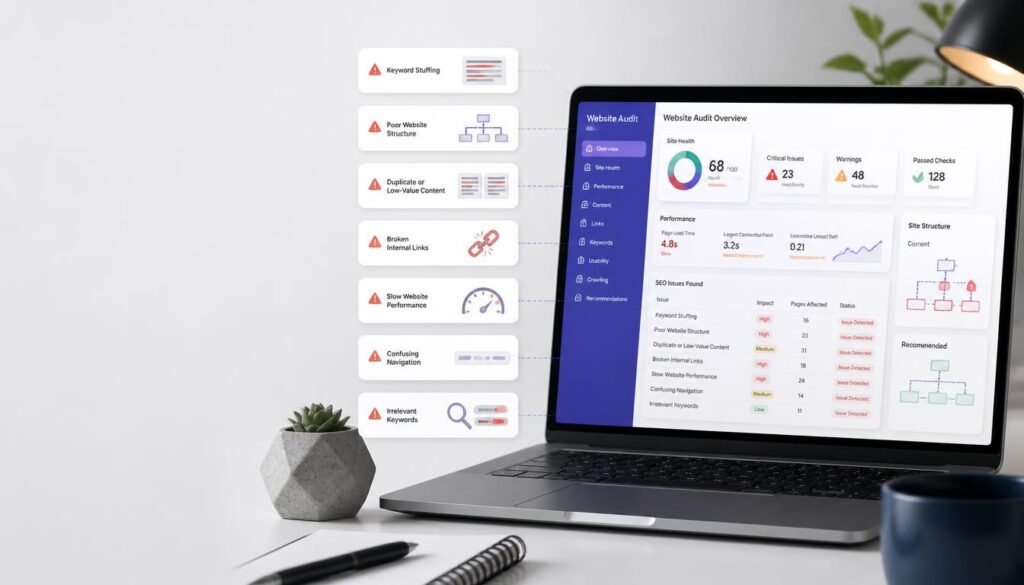
Many bloggers focus heavily on keywords while overlooking the overall reader experience. SEO works better when content remains useful, understandable, original, and relevant.
One common mistake involves repeating keywords excessively throughout an article. Google describes this practice as keyword stuffing and considers it a spam technique.
Another mistake involves publishing content that provides little original value. Simply rewriting existing articles without adding meaningful information creates a weak experience for readers.
Poor website organization can also make valuable content difficult to discover. Too many categories, confusing menus, and disconnected articles can create unnecessary navigation problems.
Avoid publishing articles solely because certain keywords appear popular. Your content should address real questions and provide useful information for your intended audience.
Google recommends creating original, helpful, reliable, people-first content instead of content designed primarily for search engines.
How to Build an SEO-Friendly Blog
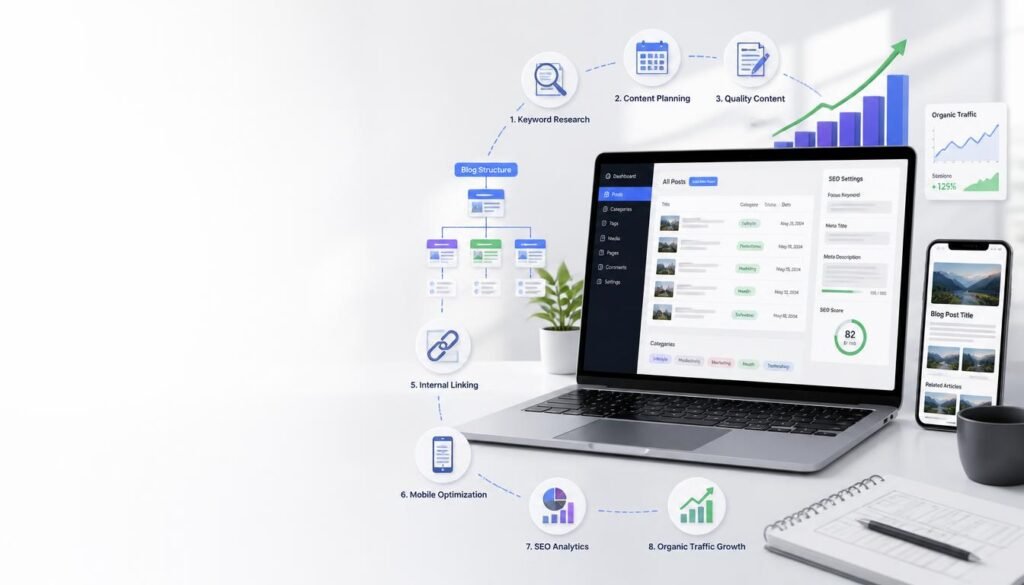
Building an SEO-friendly blog becomes easier when you follow a consistent publishing process. Begin by selecting a focused niche and identifying your target audience.
Research topics based on genuine questions your audience might search online. Then group related keywords according to their search intent and subject relevance.
Create a logical category structure before publishing large amounts of content. This prevents your website from becoming difficult to navigate later.
Write original articles that answer questions clearly and provide enough useful information. Use headings to divide longer topics into easily understandable sections.
Add relevant internal links whenever another article can provide additional information. Use descriptive anchor text instead of vague phrases such as “click here.”
Keep older articles updated when information becomes outdated or incomplete. Google recommends reviewing previously published content and updating it when necessary.
Finally, monitor your website performance and improve your strategy gradually. SEO usually requires consistent effort rather than expecting immediate results from individual changes.
Final Thoughts
Choosing the best blog site for SEO requires more than comparing platform features. You should consider content control, website structure, usability, performance, and long-term scalability.
A strong platform can make publishing easier, but quality content remains essential for sustainable search visibility. Your website should provide useful answers while making information simple to discover.
The same principle applies when exploring the best blog commenting sites for SEO. Relevance and genuine participation matter much more than collecting random backlinks.
Your best blog site structure for SEO and traffic should also remain simple and logical. Connect related content, use descriptive URLs, and make important pages easy to discover.
At Its Tech Club the goal should always be creating content that provides genuine value. When your platform, structure, and content strategy work together, your blog becomes easier to grow and maintain.