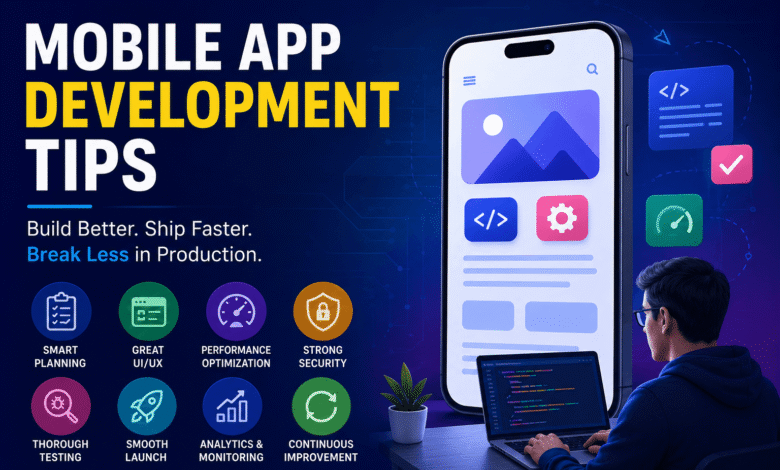
Mobile app development looks simple from the outside, but production reality tells a different story. Many applications launch with performance problems, unstable features, and security risks that could have been prevented earlier. The biggest issue is not coding ability alone. Most failures begin with poor planning, rushed execution, and missing development processes.
Experienced teams understand that successful applications require more than attractive designs and fast deployment cycles. They build strong foundations, test carefully, optimize performance, and prepare for long term maintenance before release day arrives.
This guide explores practical mobile app development tips that help teams deliver stable applications faster while reducing costly production failures. These insights are especially valuable for startups, agencies, and businesses planning scalable applications in competitive markets.
Why Most Mobile Apps Are Built on a Shaky Foundation From the Start
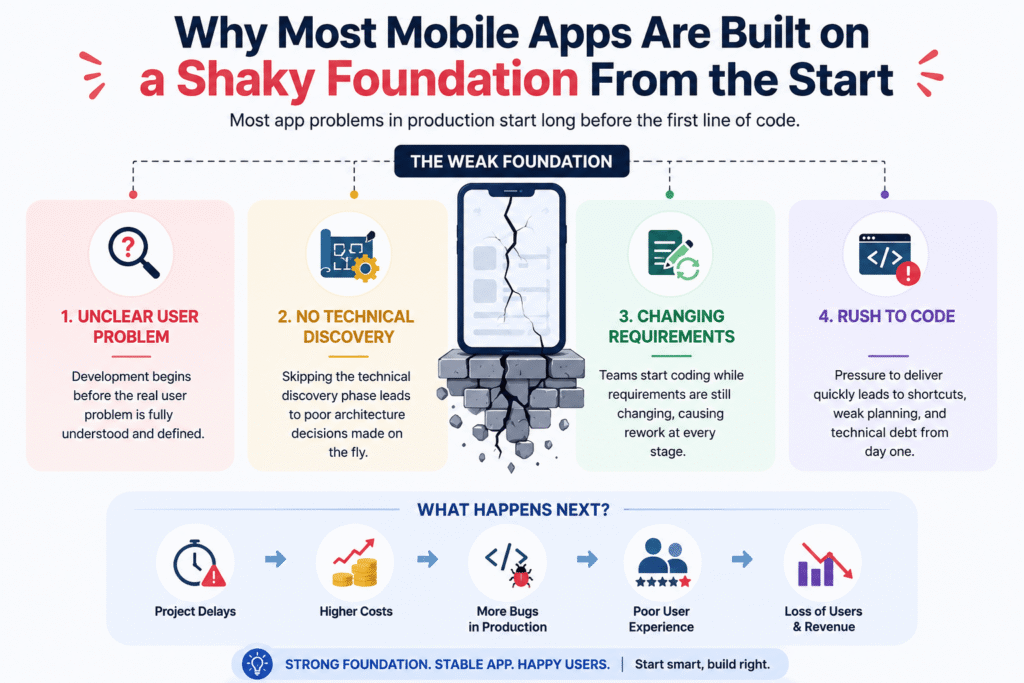
Many development teams begin coding before understanding the real user problem. This creates confusion throughout the entire project. Requirements keep changing, developers rewrite features repeatedly, and timelines quickly become unrealistic.
A proper discovery phase helps define goals, target users, core features, and technical requirements before development begins. Strong planning prevents unnecessary rework later.
Successful teams also create clear workflows early because unclear user journeys often damage user experience and increase development costs.
Planning Tips That Save Mobile App Development Teams Weeks of Wasted Time
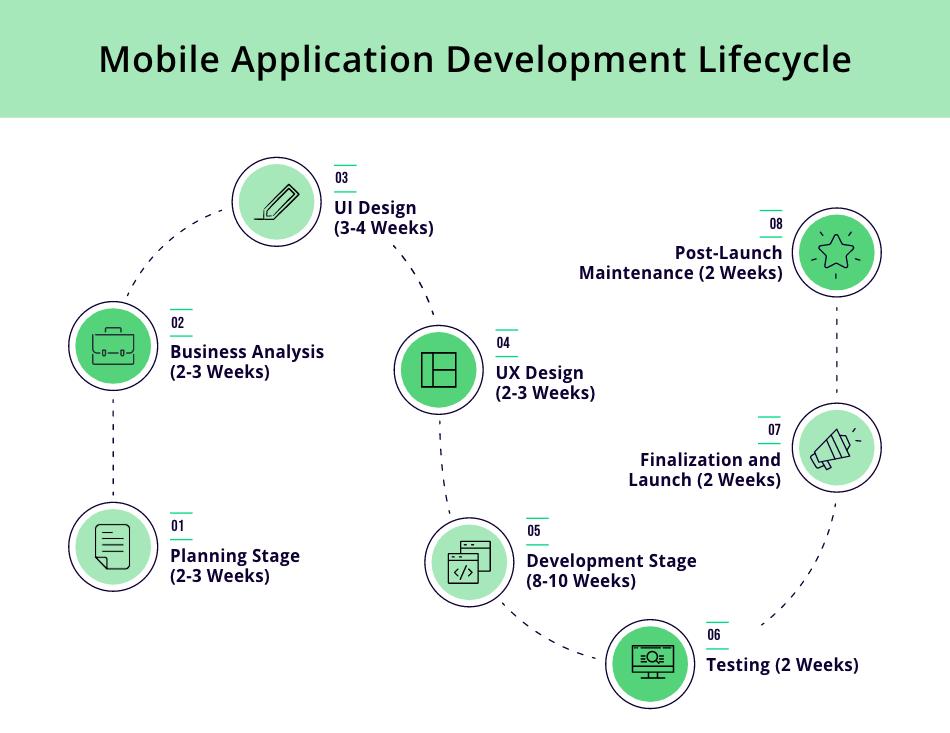
Poor planning wastes weeks of development effort. Developers and designers often work toward different goals because the project brief lacks clarity.
A detailed roadmap should include:
- Core app functionality
- Version one priorities
- Technical requirements
- Timeline expectations
- Testing and revision cycles
Feature prioritization is extremely important during mobile app development. Many businesses attempt adding too many features during the first release. This approach usually increases delays and production bugs.
Agile development methods help teams stay organized because projects become divided into smaller, manageable tasks.
UI and UX Tips Every Mobile App Development Team Needs to Follow Early
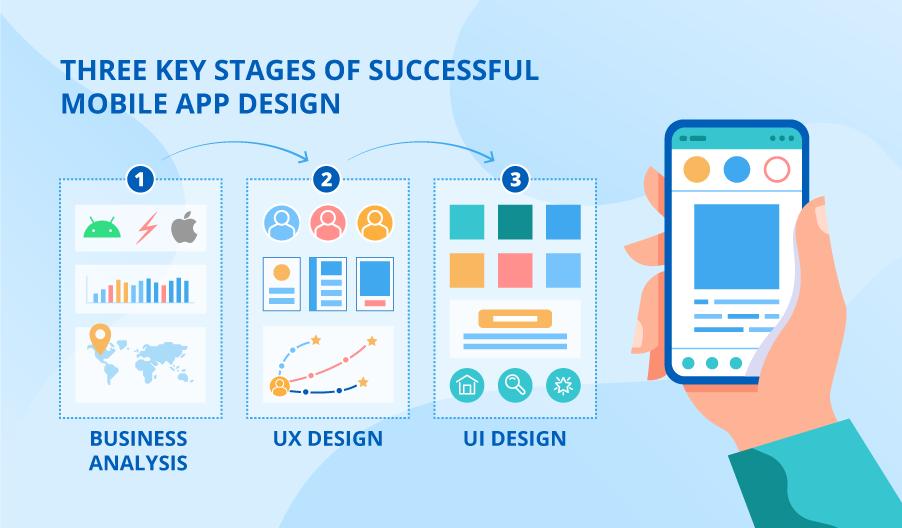
Great functionality cannot compensate for poor user experience. Users quickly abandon applications that feel confusing or inconsistent.
Development teams should design interfaces based on actual user behavior instead of assumptions. User flow planning improves navigation and reduces frustration significantly.
Consistency across screens also matters heavily. Fonts, colors, buttons, and layouts should follow the same design standards throughout the application.
Accessibility should never become an afterthought. Mobile apps should support readable text, proper color contrast, and screen reader compatibility from the beginning.
Many developers featured on itstechclub highlight that strong UX design improves retention and reduces support requests naturally.
Performance Optimization Tips During Mobile App Development
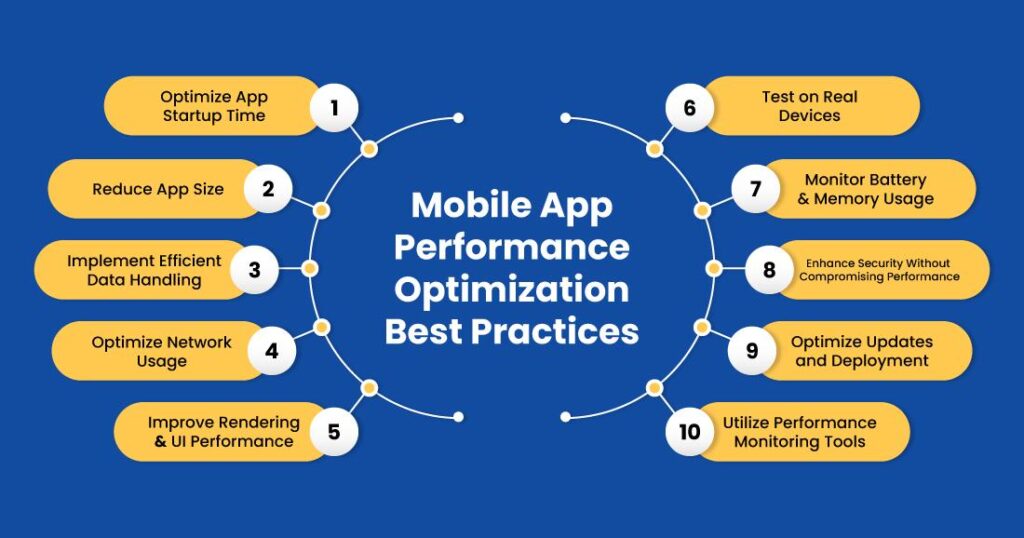
Many applications perform well during internal testing but fail on average user devices. Developers often test apps only on premium smartphones with strong internet connections.
Performance optimization should include:
- Compressing large images and assets
- Reducing unnecessary API calls
- Improving database queries
- Managing memory usage carefully
- Testing on older smartphones
Battery consumption also affects user satisfaction heavily. Applications running excessive background processes often lose users quickly.
Continuous optimization during development helps apps remain stable after launch.
Security Tips That Most Mobile App Developers Overlook Until It Is Too Late
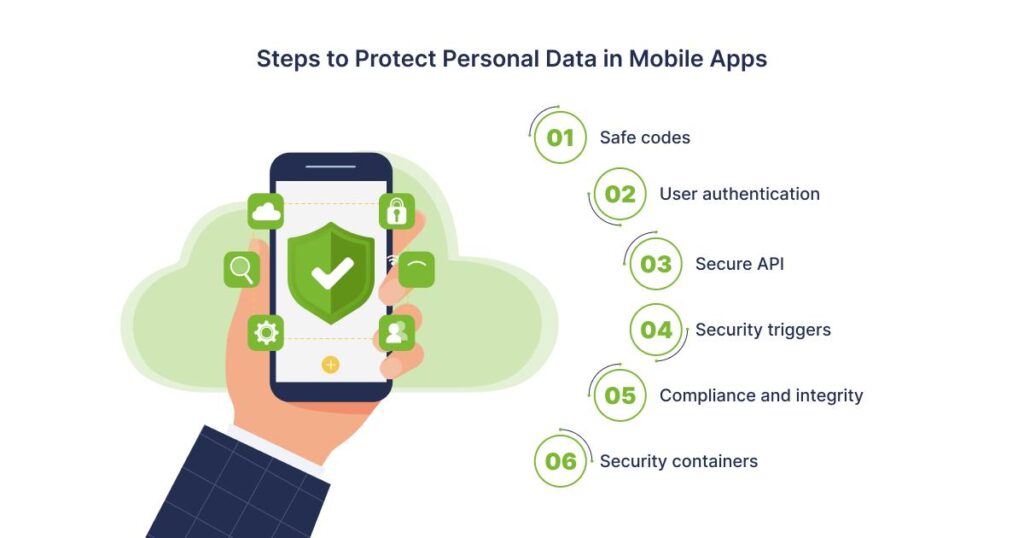
Security mistakes can damage user trust immediately. Sensitive user information should always remain encrypted both locally and during transmission.
Authentication systems should include:
- Secure session management
- Token expiration handling
- Strong password storage
- Multi factor authentication when necessary
Developers should also review third party libraries before integrating them into projects. Outdated dependencies frequently introduce serious vulnerabilities.
API endpoints must remain protected properly because weak authorization systems expose sensitive data easily.
Testing Tips to Follow Before Your Mobile App Goes Live
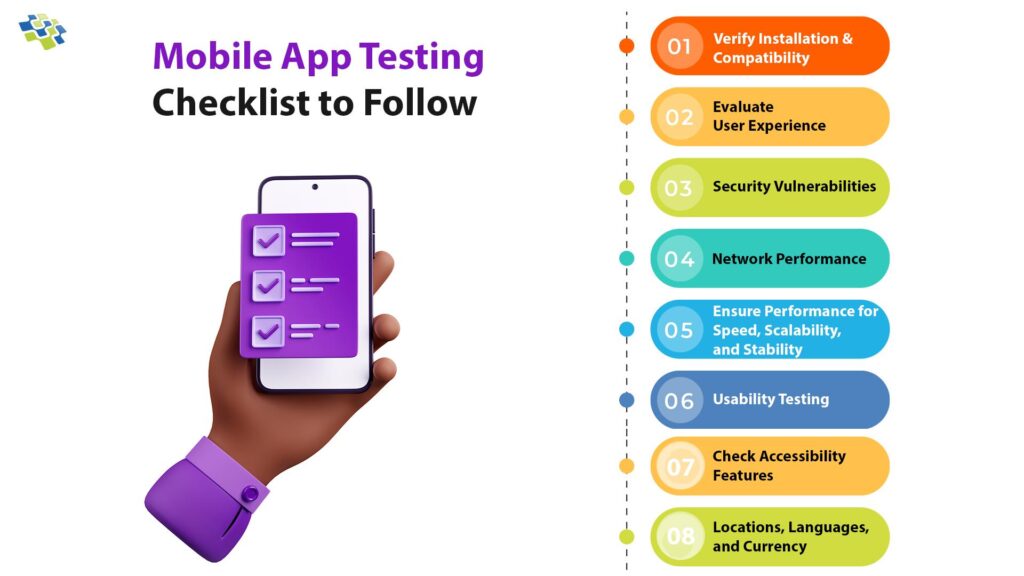
Testing should happen throughout development instead of only near release day. Late testing leaves little time for fixing important issues.
Effective testing includes:
- Functional testing
- Device compatibility testing
- Performance testing
- Beta testing with real users
- Crash monitoring
Real users often discover problems internal teams never notice. Beta testing groups should include people outside the development environment for more realistic feedback.
Load testing also helps applications prepare for traffic spikes after launch.
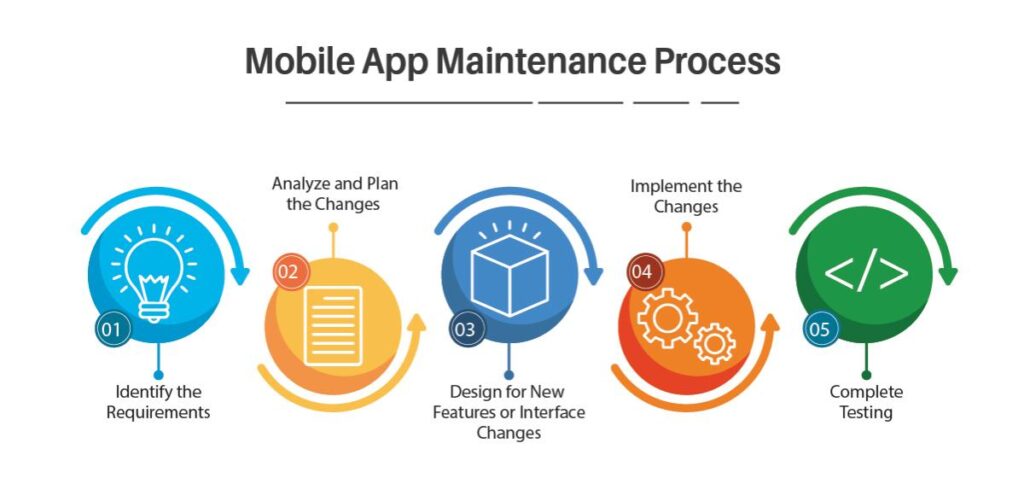
Post Launch Tips That Keep Your Mobile App Growing After Release