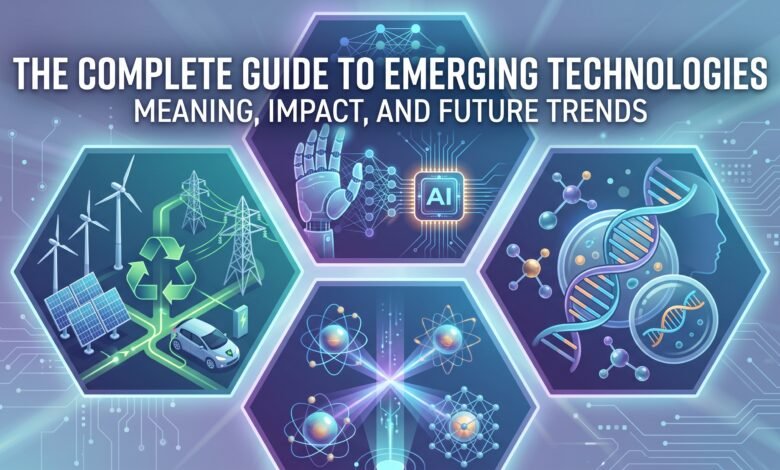
Technology continues to evolve rapidly, changing how people live, work, communicate, and solve problems. Innovations are appearing across healthcare, business, transportation, energy, manufacturing, and education. Understanding these developments helps individuals and organizations prepare for changes ahead.
If you have wondered what emerging technology is, the answer involves more than newly invented devices. Emerging technologies are developing innovations with uncertain applications, growing capabilities, and significant future potential. They may eventually transform industries, create new markets, or change established ways of working.
What Is Emerging Technology?
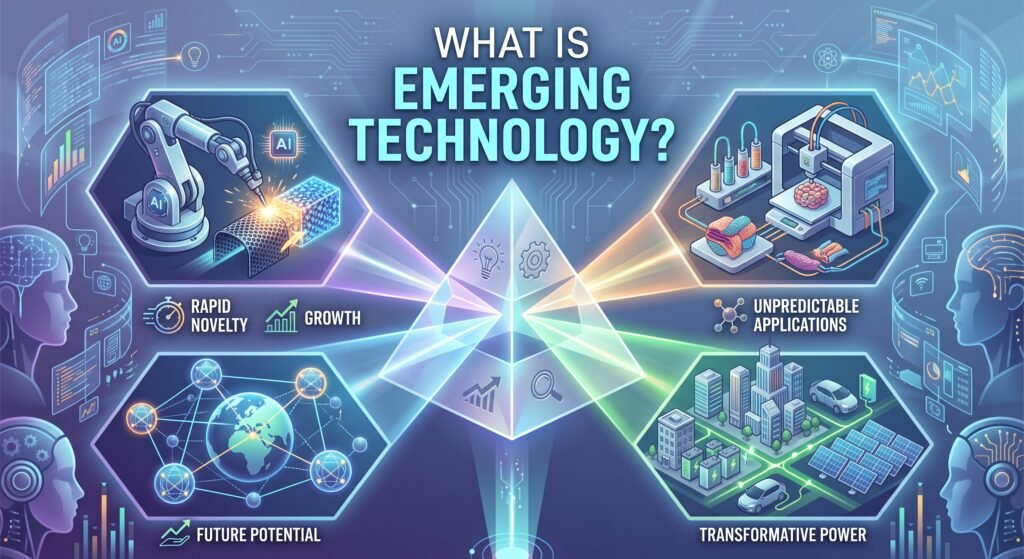
Emerging technology refers to innovations that are still developing and gaining practical applications. These technologies often have significant potential, but their long-term impact remains uncertain. The University of Cambridge describes emerging technologies as technologies without established knowledge, applications, or market structures.
Emerging technologies can therefore include completely new inventions and existing technologies. They can also involve new applications that create significantly different outcomes. Their development usually involves ongoing research, experimentation, investment, and market testing.
Artificial intelligence, quantum computing, advanced biotechnology, robotics, and new energy systems provide useful examples. However, not every new product automatically qualifies as emerging technology. A technology generally needs meaningful growth, novelty, and potential influence across industries.
The distinction matters because emerging technologies can develop in unpredictable directions. Some innovations become widely adopted and eventually become ordinary technologies. Others remain experimental because their costs, risks, or technical limitations prevent widespread adoption.
What Makes Technology Emerging?
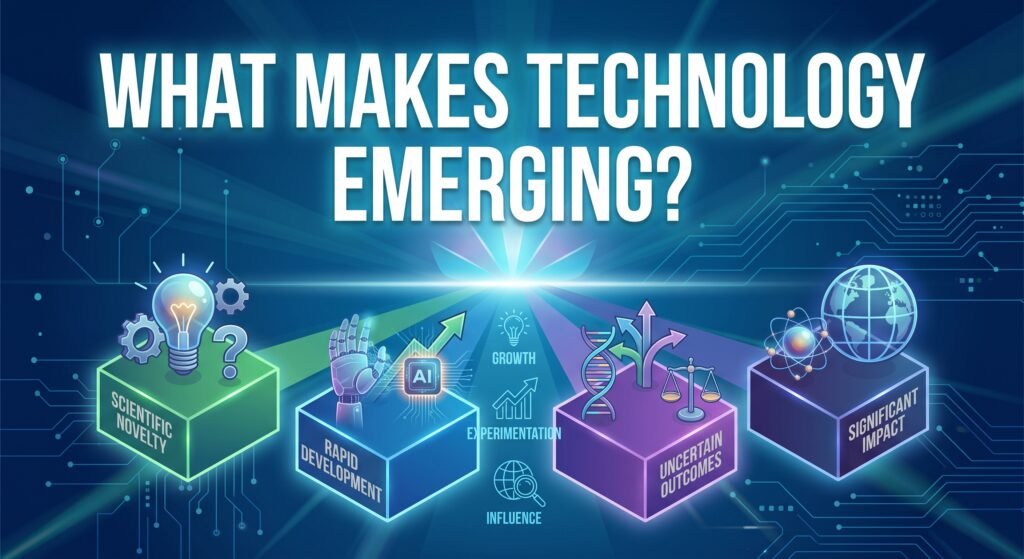
Several characteristics can help explain why certain technologies become classified as emerging. First, these technologies often involve significant technical or scientific novelty. Their underlying capabilities may still require extensive research before reaching maturity.
Second, emerging technologies usually experience rapid development and experimentation. Researchers, startups, governments, and established companies continually test new applications. This activity can accelerate improvements while revealing previously unknown limitations.
Third, emerging technologies often have uncertain commercial and social outcomes. Businesses may recognize their potential without knowing exactly how markets will develop. Regulators may also face challenges because established rules might not address new applications.
Another important characteristic involves potential impact. Technologies become especially significant when they could influence major industries or societal systems. Cambridge’s research highlights novelty, growth, uncertainty, and future economic potential among recurring definitions.
How Is Technology Changing the World Today?
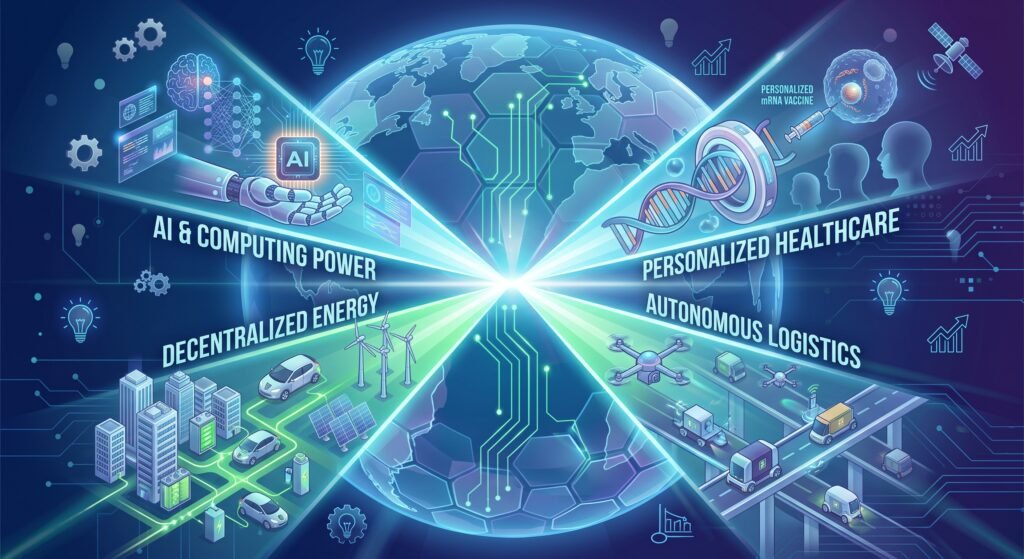
Technology is changing the world by making processes faster, more connected, automated, and personalized. Artificial intelligence is already influencing research, customer service, software development, content creation, and business operations.
Healthcare provides another powerful example of technological transformation today. Advanced technologies can support medical research, diagnosis, drug development, and personalized treatment approaches. Emerging biotechnology could eventually make healthcare increasingly tailored to individual patients.
Transportation is also experiencing substantial technological changes across many countries. Electric vehicles, battery systems, autonomous technologies, and intelligent infrastructure are developing rapidly. These innovations could reshape how people and goods move between different locations.
Energy systems are undergoing significant changes because renewable generation requires more flexible infrastructure. Emerging technologies can help connect batteries, electric vehicles, buildings, and other distributed resources. The World Economic Forum’s 2026 research highlights everything-to-grid energy as one example.
Education is changing through artificial intelligence, digital platforms, interactive software, and personalized learning tools. These technologies can help educators provide more flexible learning experiences. However, responsible implementation remains important for maintaining quality, privacy, and human oversight.
What Are Some Major Emerging Technologies?
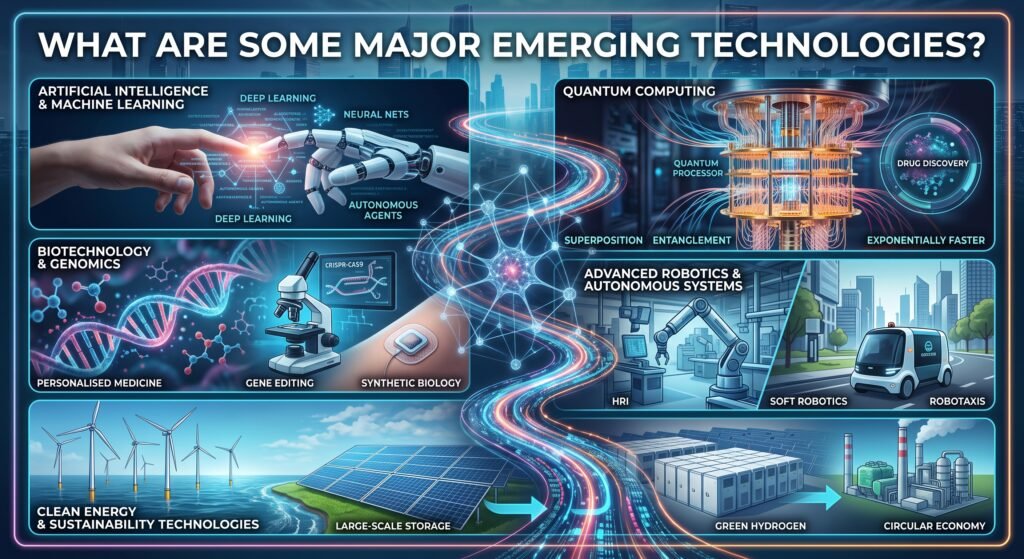
Emerging technology covers many different fields rather than representing one specific technological category. Artificial intelligence remains one of the most influential areas because capabilities continue expanding rapidly. Generative AI, AI agents, and advanced models could affect numerous professional and consumer activities.
Quantum computing represents another important area with potentially significant long-term implications. Quantum technologies could eventually help solve certain problems that traditional computers handle inefficiently. However, practical quantum computing still faces major technical and engineering challenges.
Biotechnology is also producing innovations with potential applications across healthcare, agriculture, and manufacturing. Precision fermentation, advanced drug delivery, and personalized medical technologies demonstrate this expanding field. These technologies could change how certain products and treatments are developed.
Robotics and autonomous systems are developing across factories, warehouses, healthcare environments, agriculture, and transportation. Better sensors, artificial intelligence, and computing capabilities are making robots increasingly capable. Their adoption could improve productivity while creating new workforce and training requirements.
Advanced energy technologies are another major area of emerging innovation. New battery systems, smart energy networks, and improved resource extraction methods could support future energy needs. The World Economic Forum’s 2026 report identifies technologies spanning energy, materials, health, and computing.
What Does Emerging Innovator Mean?
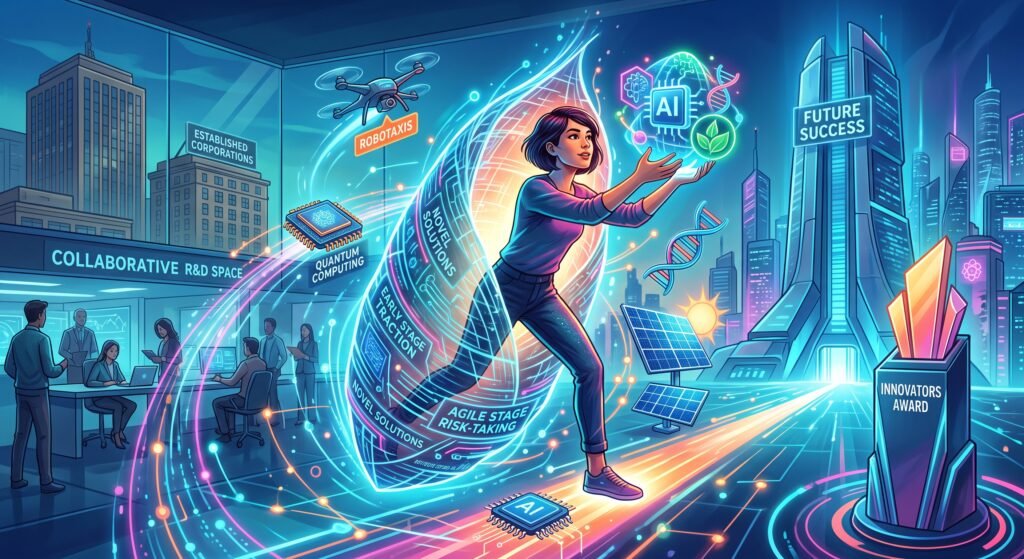
The phrase what does emerging innovator mean refers to another important part of technological development. An emerging innovator can describe a person, company, research team, or organization developing new solutions.
Emerging innovators often experiment with ideas that established businesses have not fully explored. Startups frequently play this role because they can focus on specialized problems and new market opportunities.
Universities and research institutions can also become important sources of emerging innovation. Their researchers often develop scientific breakthroughs before commercial organizations create practical products. Collaboration can then move promising ideas toward real-world applications.
An emerging innovator does not necessarily need to invent completely new technology. Innovation can involve applying existing technology to solve problems differently. This approach can sometimes create significant value without requiring an entirely new scientific discovery.
What Are the Technologies of the Future?
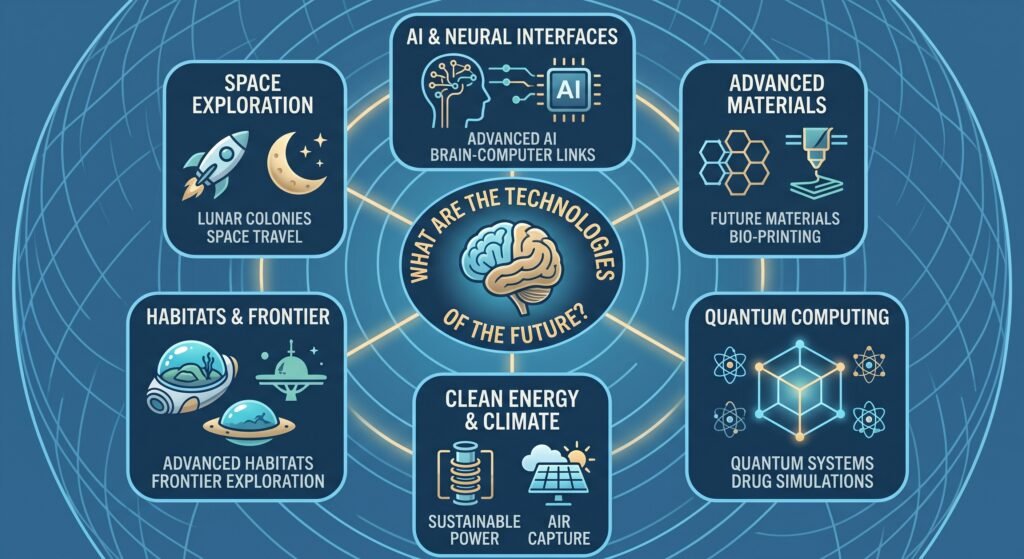
The technologies of the future will likely include several fields developing simultaneously. Artificial intelligence, biotechnology, quantum technologies, robotics, advanced materials, and clean energy deserve close attention.
The World Economic Forum’s 2026 report highlights ten emerging technologies approaching greater real-world impact. These include direct lithium extraction, precision fermentation, personalized mRNA cancer vaccines, world models, and lattice-based cryptography.
World models represent an interesting development because they aim to model environments and relationships. Such systems could eventually support more capable artificial intelligence applications across different industries.
Personalized mRNA cancer vaccines also demonstrate how emerging technologies can become increasingly individual-focused. These approaches aim to use patient-specific information when developing potential cancer treatments. Their development shows how technology can become more personalized over time.
Energy technologies may also become increasingly distributed and flexible across different locations. Electric vehicles, batteries, buildings, and other systems could potentially contribute energy when required. This approach could support more resilient energy networks in certain markets.
What Is the Future of Technology?
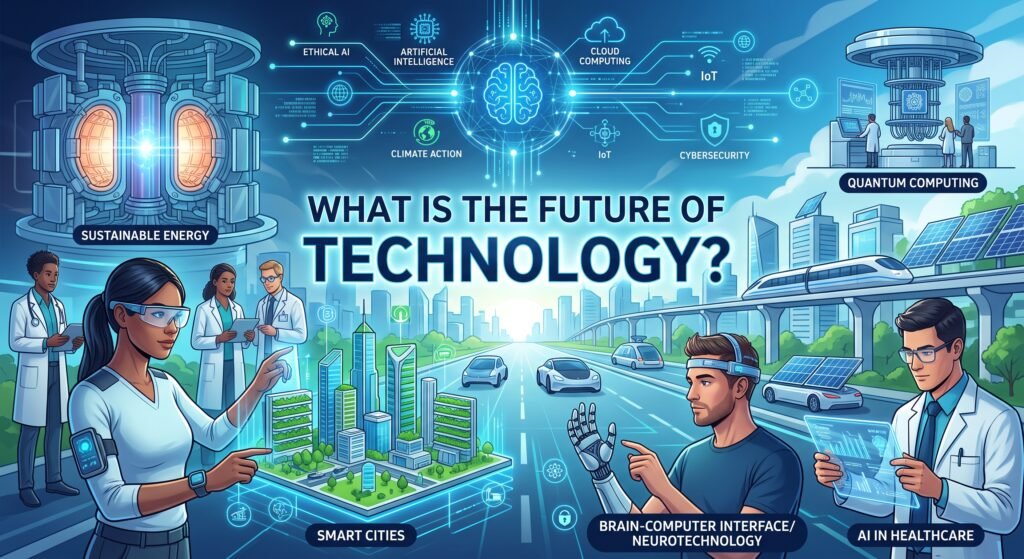
The future of technology will probably involve greater integration between different technological systems. Artificial intelligence, robotics, sensors, cloud platforms, biotechnology, and connected infrastructure may increasingly work together.
One major trend involves greater personalization across technology and services. Healthcare, education, entertainment, and business software can increasingly adapt according to individual needs. The World Economic Forum identifies personalization as one recurring pattern among emerging technologies.
Another trend involves decentralization, particularly across energy, manufacturing, and resource systems. Technologies could increasingly produce goods and services closer to the people who need them. This could reduce dependence on centralized infrastructure in some applications.
Efficiency will also remain an important driver of technological development. Future innovations may focus on producing better outcomes while using fewer resources. Current examples include energy-efficient cooling, alternative protein production, and improved resource extraction.
However, predicting the future of technology requires some caution. Emerging technologies can experience unexpected breakthroughs, delays, regulations, failures, or changes in consumer demand. Therefore, future predictions should be treated as possibilities rather than guaranteed outcomes.
Why Do Emerging Technologies Matter?
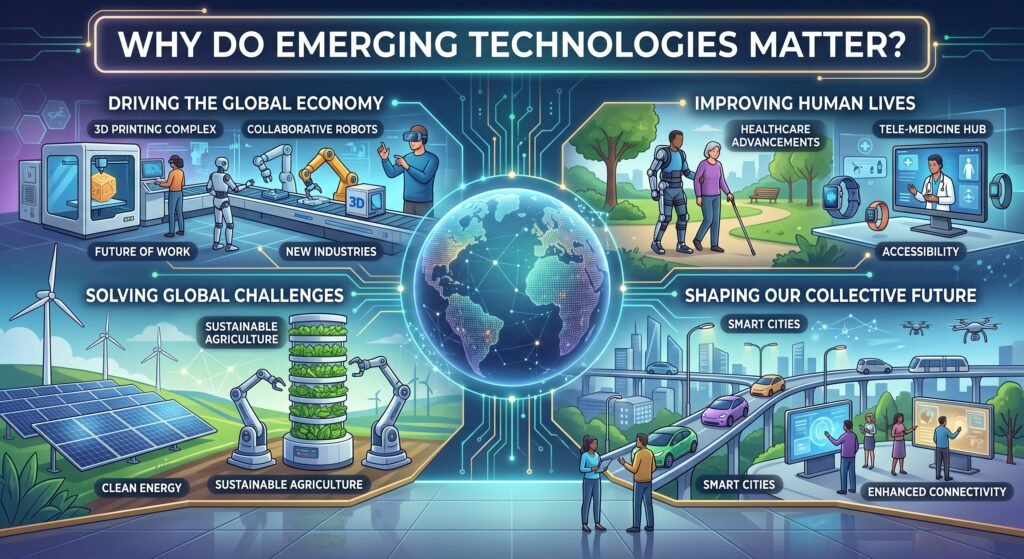
Emerging technologies matter because they can influence businesses, economies, governments, and everyday life. Organizations that understand technological changes can identify opportunities before they become mainstream. They can also prepare employees for changing skills and workplace requirements.
For businesses, emerging technologies can improve productivity and create new ways of serving customers. Automation can reduce repetitive work while artificial intelligence can support certain decision-making processes.
Technology can also create completely new products, services, and business models. Companies that recognize these opportunities early may develop competitive advantages. However, early adoption should always consider costs, security, reliability, regulation, and customer expectations.
For individuals, understanding emerging technology can improve digital awareness and career planning. New technologies often create demand for different technical, creative, analytical, and management skills. Continuous learning can therefore become increasingly important as technology develops.
Risks and Challenges of Emerging Technologies
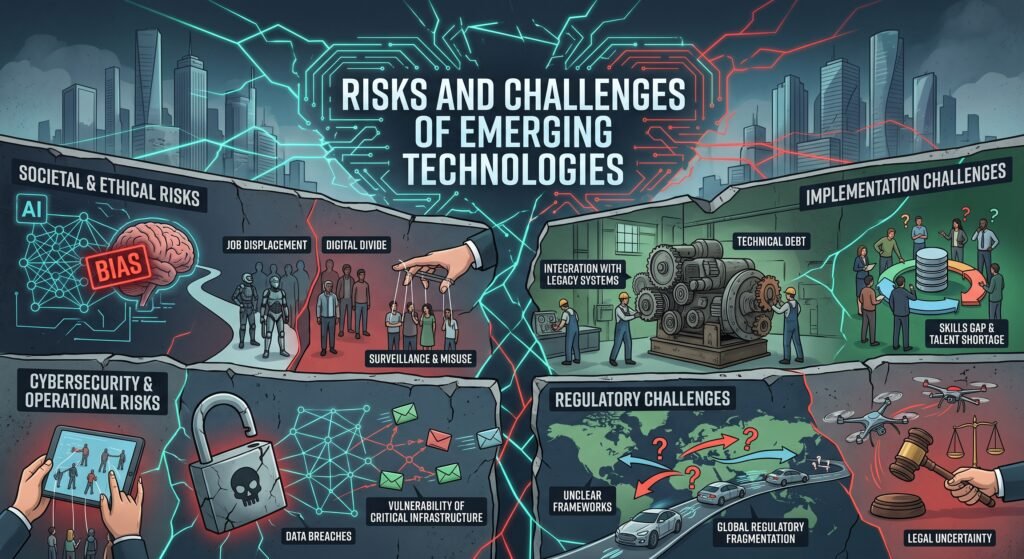
Emerging technologies can provide major benefits, but they also introduce significant challenges. Privacy, cybersecurity, misinformation, employment changes, and ethical concerns require careful consideration.
Some technologies may also create unequal access because advanced solutions can initially remain expensive. Businesses and governments must therefore consider whether technological benefits are reaching different communities fairly.
Regulation presents another challenge because technology can develop faster than existing policies. Governments may need flexible approaches that encourage innovation while protecting people and established rights.
The World Economic Forum emphasizes that responsible development requires attention to technical readiness, regulation, market demand, and societal impact.
How Can Businesses Prepare for Emerging Technologies?
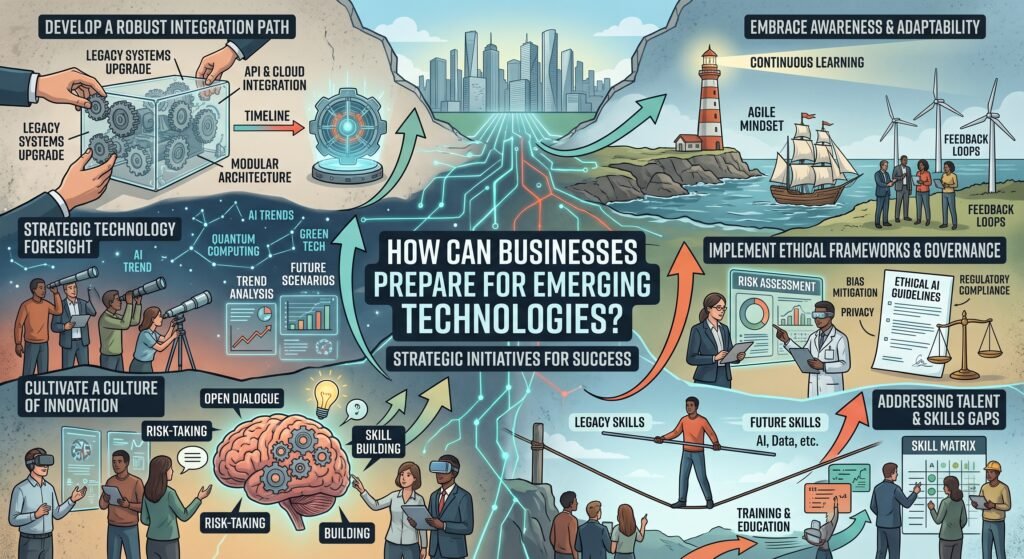
Businesses should begin by identifying technological developments that relate directly to their industry. Not every emerging technology will provide meaningful value for every organization.
Companies should then evaluate specific problems that new technologies could potentially solve. Small experiments can provide useful evidence before businesses commit significant resources to larger implementations.
Employee training should also remain a priority throughout technological transformation. Workers need opportunities to develop relevant skills and understand how new systems affect their responsibilities.
Businesses should additionally evaluate cybersecurity, privacy, regulatory requirements, and implementation costs. A technology should not be adopted simply because it receives significant attention online.
Strategic technology planning can help organizations separate genuine opportunities from short-term hype. For readers exploring these developments, Its Tech Club can provide useful technology-focused information and insights.
Emerging Technology and the World Ahead
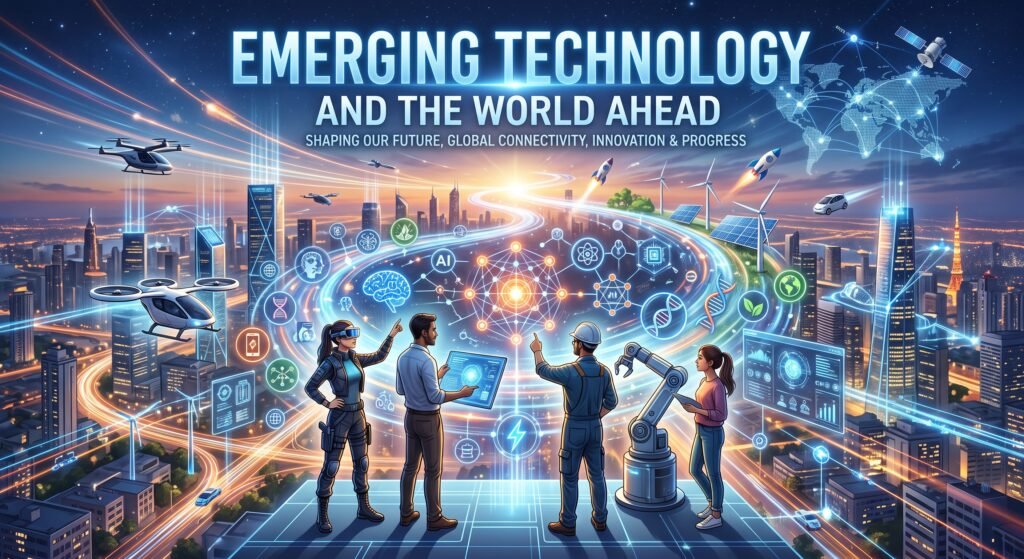
Emerging technology is not simply about predicting which invention will become popular. It involves understanding how scientific progress, business needs, social expectations, and investment interact.
The most influential technologies may eventually change industries in ways that are difficult to predict today. Some will become everyday tools, while others may remain specialized or disappear entirely.
The World Economic Forum’s 2026 research shows that several emerging technologies are already moving closer toward practical deployment. Its selected technologies reflect developments across healthcare, energy, materials, computing, and other important fields.
Understanding these developments can help businesses and individuals make better decisions about future opportunities. Instead of following every trend, people should focus on technologies offering genuine value and practical relevance.
Conclusion
The question of what is emerging technology has a broader answer than simply describing new inventions. Emerging technologies are developing innovations with significant potential and uncertain future applications.
Artificial intelligence, biotechnology, quantum computing, robotics, advanced energy, and materials illustrate this rapidly changing landscape. These technologies could influence businesses, industries, communities, and everyday experiences.
The future of technology will depend on responsible development, practical adoption, investment, regulation, and human decision-making. Organizations that monitor these changes carefully can prepare for opportunities without blindly following technological hype.
As emerging innovations continue moving toward real-world applications, understanding their meaning becomes increasingly valuable. The people and businesses prepared to adapt may be better positioned for the technological changes ahead.