If you follow SEO news in 2026, you have probably seen llms.txt mentioned as the next big thing for AI search. Blog posts and tool vendors call it a must have file for every website that wants to appear in ChatGPT, Perplexity and Google AI Overviews.
The reality is more interesting and more useful than the hype. llms.txt is a real proposal with a real purpose, but it is not a ranking factor, and Google has said plainly that its search systems ignore the file.
This guide explains what llms.txt actually is, who reads it, what the evidence says about its value, and how to decide if your site needs one.
llms.txt is a Markdown file placed at the root of a website that gives AI tools a summary of the site and a list of its most useful pages. It is a proposal from 2024, not a standard, and Google Search ignores it. It helps documentation sites and AI coding tools, while a small blog gains little from adding one.
What Exactly Is llms.txt?
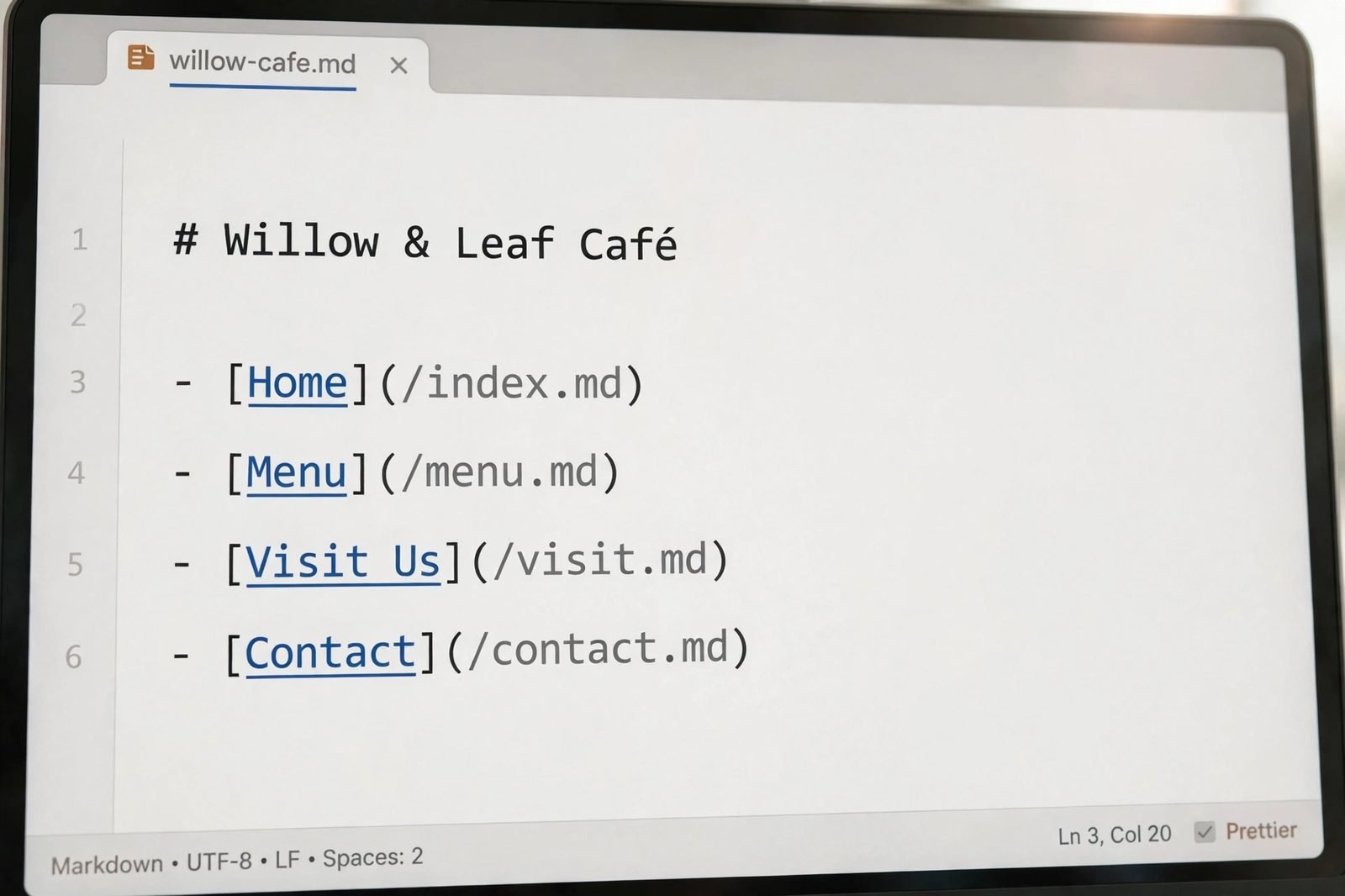
llms.txt is a proposed convention for a small Markdown file that lives at the root of a website, at yourdomain.com/llms.txt. It gives large language models and AI agents a short, curated map of the site: a brief description of what the site is about, plus links to the pages that matter most.
The proposal was published by Jeremy Howard, cofounder of fast.ai and Answer.AI, on September 3, 2024, at llmstxt.org. The idea came from a simple problem. AI tools that help developers work with documentation had to crawl whole websites, wading through navigation menus, ads and boilerplate to find the useful content. A single clean file that points to the best pages would save time and tokens.
The spec is short and simple. The only required element is an H1 heading with the name of the project or website. Everything else is optional, which is part of why so many sites have adopted it. The current version of the spec is version 2, updated on August 10, 2026, with new link relations that help AI clients discover the file.
What Does an llms.txt File Contain?
A typical llms.txt file has three parts. First, an H1 heading with the name of the site or project. Second, a short blockquote style summary that explains what the site does in one or two sentences. Third, H2 sections that group links to the most important pages, such as documentation, guides or key articles.
Each link uses standard Markdown link syntax, with a short description after it. The file stays short on purpose. The spec suggests keeping it focused on the pages that help an AI tool understand the site, not a dump of every URL you own.
Many sites also publish an optional longer companion file that contains the full text of their most important pages in clean Markdown. This companion file is useful for AI coding assistants that want to read whole guides without fetching each page separately.
Who Actually Reads llms.txt?
This is where the hype meets the data, and the data is sobering. In June 2026, Ahrefs published a study of 137,210 domains with real traffic, based on server logs from May 2026. The study found that 28 percent of those domains publish a valid llms.txt file. But 97 percent of those files received zero requests during the whole month.
Of the small number of requests that did arrive, only about 1.1 percent came from AI retrieval bots. The rest came from SEO tools, curious humans and automated scanners checking whether the file exists. In other words, publishing the file is common, but being read is rare.
No major AI search product documents reading llms.txt. OpenAI, Anthropic and Perplexity each publish an llms.txt file for their own developer documentation, yet none of their crawler documentation says their systems read yours. The labs use the format for their own docs, which is the use case that clearly works.
Does Google Use llms.txt for AI Overviews?
No, Google Search does not use llms.txt, and this is now settled in Google’s own documentation. Google’s guide to optimizing for generative AI features, last updated on July 10, 2026, lists llms.txt in a mythbusting section. It says you do not need new machine readable files, AI text files, markup or Markdown to appear in Google Search, and that creating them will neither harm nor help your visibility or rankings, because Google Search ignores them.
Google’s Gary Illyes has confirmed the same point in public comments, saying Google does not support llms.txt and has no plans to use it. Google’s page on AI features in Search also states there are no additional requirements to appear in AI Overviews or AI Mode.
So if your only goal is to show up in Google AI Overviews, an llms.txt file will not help. What does help is the same work that has always mattered, and our guide to how to rank in Google AI Overviews covers that process in detail.
How Is llms.txt Different From robots.txt and a Sitemap?
Beginners often mix up these three files, but each one has a different job. Here is how they compare.
- robots.txt controls crawling. It tells search engines and AI bots which parts of your site they may visit and which parts they must leave alone. It is a set of rules, not a summary.
- A sitemap lists URLs. It gives search engines a structured list of your pages so they can discover and crawl them efficiently. It contains addresses, not descriptions.
- llms.txt summarizes content. It gives AI tools a short human written overview of the site and points to the pages that best explain what you do. It is a guide, not a set of rules or a list.
The three files work side by side. A site can have all three, and none of them replaces the others. If you want to understand the wider shift behind these files, our explainer on generative engine optimization shows how AI search is changing the way content gets found and cited.
Should You Add llms.txt to Your Website?
The honest answer is that it depends on what kind of site you run. For most small blogs and business sites, llms.txt is a nice to have, not a must have. For documentation sites, it is genuinely useful.
Add one if your site has long documentation, API references or a large knowledge base that AI coding tools need to read. Mintlify, GitBook, Yoast SEO, AIOSEO and Wix already generate the file for their users, which shows where the real demand sits. If your readers are developers who use AI assistants to work with your docs, the file helps them directly.
You can skip it for now if you run a small blog, a local business site or a store with a handful of pages. Your time is better spent on the things AI systems demonstrably use, like content that is readable without JavaScript, clear headings and schema markup. And if you are tracking Google AI features, our breakdown of what changed in Google AI Mode and AI Overviews explains what actually moved the needle in October 2026.
How Do You Create an llms.txt File?

Creating the file takes about 15 minutes, and you do not need a developer. Follow these steps.
- Open any plain text editor and write an H1 heading with your site name.
- Add a one or two sentence summary of what your site does and who it is for.
- Add H2 sections for your main content groups, such as Docs, Guides or Products.
- Under each section, list your five to ten most useful pages as Markdown links, each with a short description.
- Save the file as llms.txt and upload it to the root of your website, so it loads at yourdomain.com/llms.txt.
- Test it by opening that URL in a browser, then keep the file updated when you publish important new pages.
In WordPress, you can create the file with a plugin like Yoast SEO or AIOSEO, which generate it for you, or you can upload it through your hosting file manager. If your site has detailed documentation, consider also publishing the optional longer companion file with the full text of your key pages.
Key Takeaways
- llms.txt is a 2024 proposal for a small Markdown map of your website, not an official standard.
- Google Search ignores the file, so it will not help you rank or appear in AI Overviews.
- Almost no AI crawlers fetch the file. In May 2026, 97 percent of published files got zero requests.
- The file is most useful for documentation sites and AI coding tools, not for small blogs.
- Creating one takes about 15 minutes and carries no risk, so add it if your audience uses AI assistants.
Frequently Asked Questions
Is llms.txt a Google ranking factor?
No. Google has said in its own documentation that Google Search ignores llms.txt and similar files. Adding one will neither help nor hurt your rankings, your visibility in Search, or your chances of appearing in AI Overviews.
Do I need llms.txt to appear in ChatGPT or Perplexity?
No. Neither OpenAI nor Perplexity documents reading llms.txt from third party websites. Their answers come from their own web indexes and crawlers, which follow robots.txt rules and read your normal pages.
What is the optional longer companion file?
It is a second file that contains the full text of your most important pages in clean Markdown, instead of just links to them. AI coding assistants can read it in one request instead of fetching each page separately. It is optional, and it makes sense mainly for documentation sites.
Can llms.txt hurt my SEO?
No. Google says creating and maintaining the file is completely fine, and it will not harm your site visibility or rankings. The only real cost is the few minutes it takes to write and keep updated.
How long does it take to create an llms.txt file?
About 15 minutes for a small site. Write a short summary, list your best pages as links, save the file at the root of your site, and test the URL. Larger documentation sites may take an hour to list every important page.
A Small File With a Small Job
llms.txt is a good idea with a modest job. It gives AI tools a clean, short map of your website, and it costs almost nothing to create. What it is not is a shortcut into AI answers or a ranking factor, and the evidence from 2026 makes that clear.
If you run a documentation site, add one today. Your developer audience will thank you. If you run a blog or a small business site, put your time into great content, clear structure and schema markup first, and add llms.txt later when you have an hour to spare. That is the honest answer, and it is the one the data supports.