
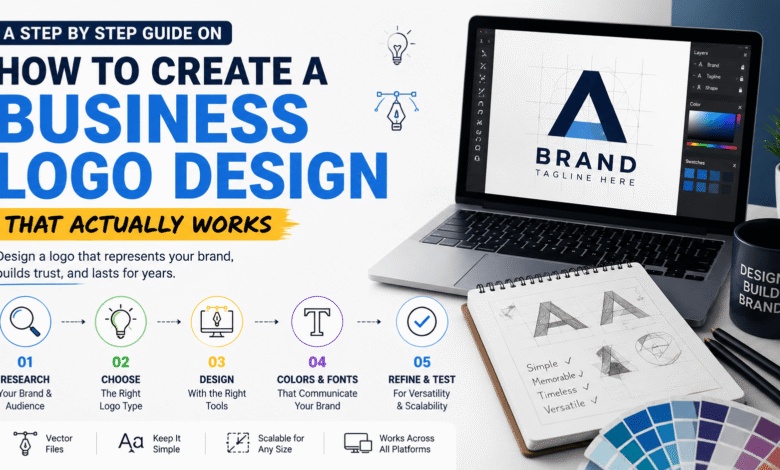
Many business logos fail before they even reach the market because they are designed without strategy or research. When learning how to create a business logo design, most beginners focus only on visuals instead of meaning and communication. This leads to designs that may look modern but fail to connect with the target audience in a meaningful way.
A logo is not just a graphic element, it is the foundation of brand identity. It influences how customers perceive trust, professionalism, and credibility. Without a clear direction, even a well-designed logo can feel disconnected from the business it represents.
In many cases, companies underestimate how important planning is before design begins. A strong logo requires clarity in brand positioning, audience understanding, and long-term vision. Without these elements, the final design becomes inconsistent and forgettable.
Why Most Business Logos Fail Before They Even Launch
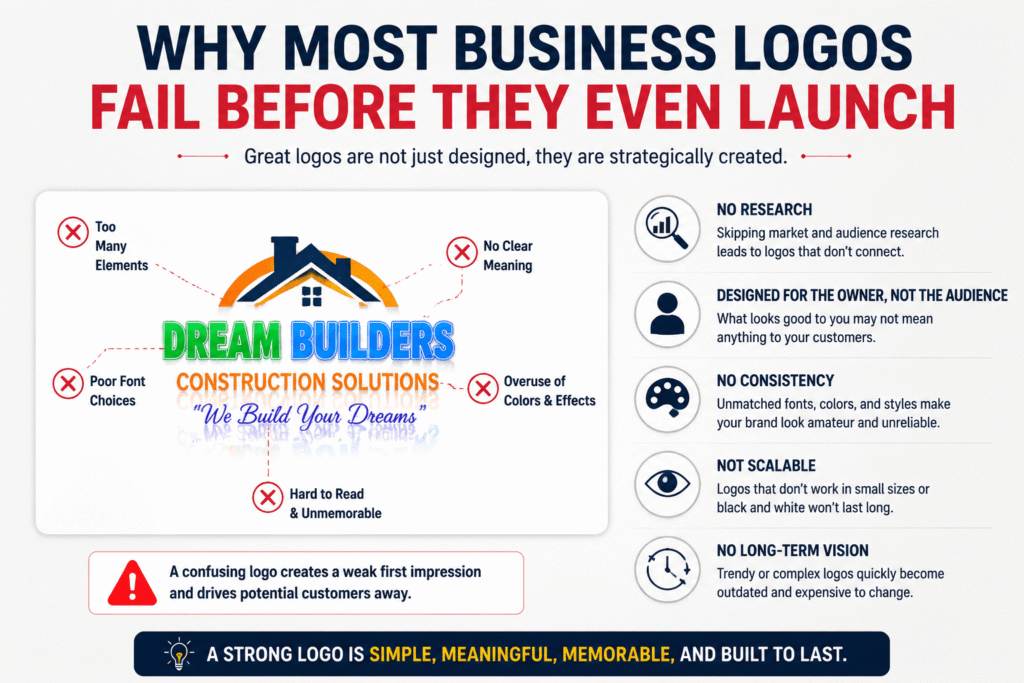
Most logos fail because businesses rush into design tools without any research or planning. They assume that a visually appealing logo is enough to represent their brand. However, this approach ignores the importance of communication and audience perception.
Another major issue is that many logos are designed based on personal preference rather than customer understanding. What looks attractive to the business owner may not resonate with the target market. This creates a gap between branding intention and actual perception.
Inconsistent use of fonts, colors, and design styles also contributes to failure. When a logo lacks consistency, it appears unprofessional and weak. This is why understanding how to create a business logo design properly is critical before any creative work begins.
You may also like:
What to Figure Out About Your Brand Before Touching Any Design Tool
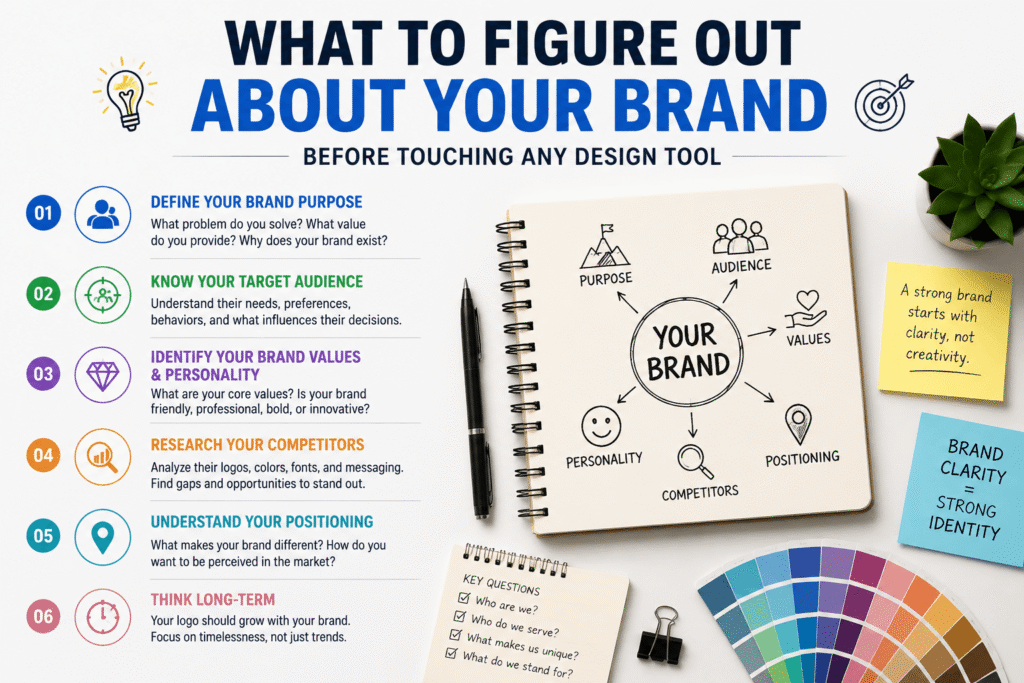
Before opening any design software, a clear brand identity must be defined. Without this, logo design becomes guesswork rather than strategy. Businesses need to understand their personality, values, and positioning in the market.
Competitor research is also essential because it helps identify what is already overused in the industry. If all competitors use similar symbols or colors, your brand will struggle to stand out. Research allows you to create something distinct and memorable.
Understanding the target audience is equally important because design decisions must align with customer expectations. A corporate audience will respond differently compared to a younger consumer base. This alignment plays a major role in how to create a business logo design that actually works.
You may also like:
Choosing the Right Logo Type for Your Business
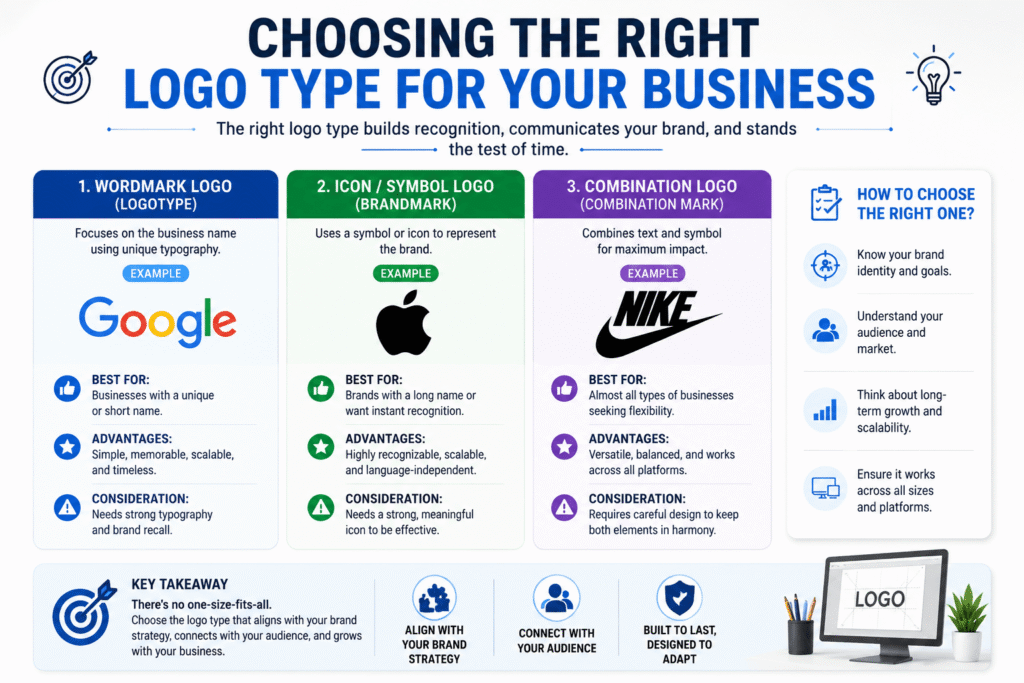
Selecting the correct logo type is a strategic decision, not just a design preference. Wordmark logos focus on typography and are ideal when the business name is strong and recognizable. They are simple but require careful font selection.
Icon based logos are useful when the business name is long or difficult to remember. They help create instant visual recognition but must be designed carefully to avoid confusion. A poorly designed icon can misrepresent the brand completely.
Combination logos provide flexibility by merging text and symbols. However, they require stronger design execution to maintain balance and clarity. Choosing the wrong logo type can lead to future redesign costs and branding issues.
You may also like:
How to Create a Business Logo Design Using the Right Tools
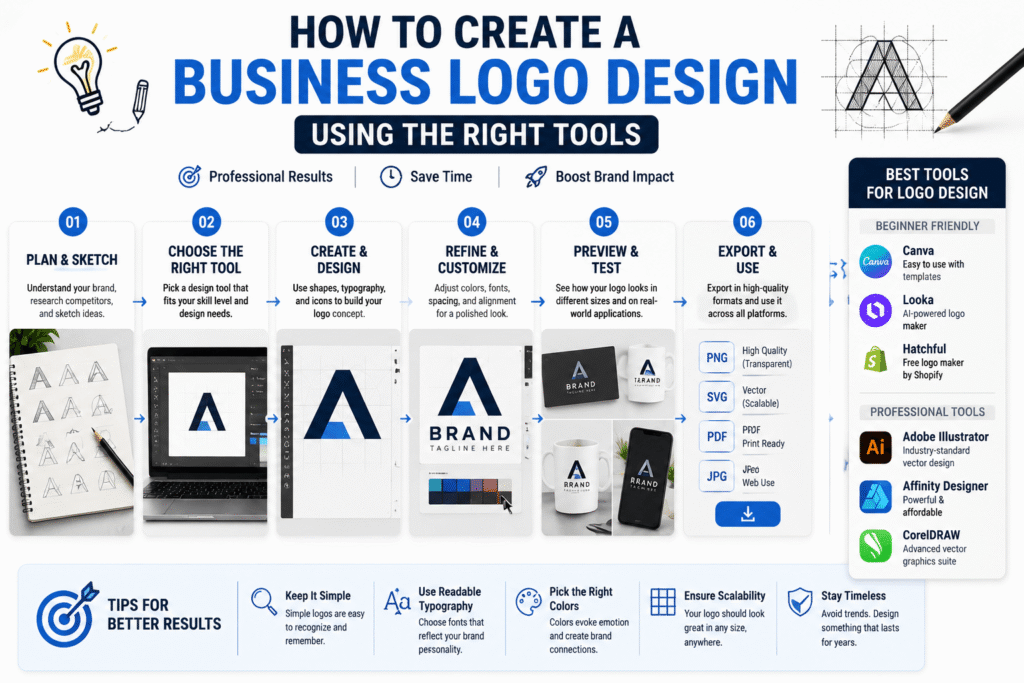
Professional tools like Adobe Illustrator are widely used because they create vector based designs. This ensures scalability without loss of quality, which is essential for printing and digital use. It is considered the industry standard for serious branding work.
Free tools like Canva are popular among startups due to ease of use. However, they have limitations in customization and originality. While useful for initial drafts, they may not deliver fully unique brand identities.
AI logo generators offer speed but often produce generic results. They lack deep understanding of brand identity and often repeat common design patterns. A balanced approach is required when learning how to create a business logo design effectively.
You may also like:
Colors and Fonts Are Not Just Aesthetic Choices
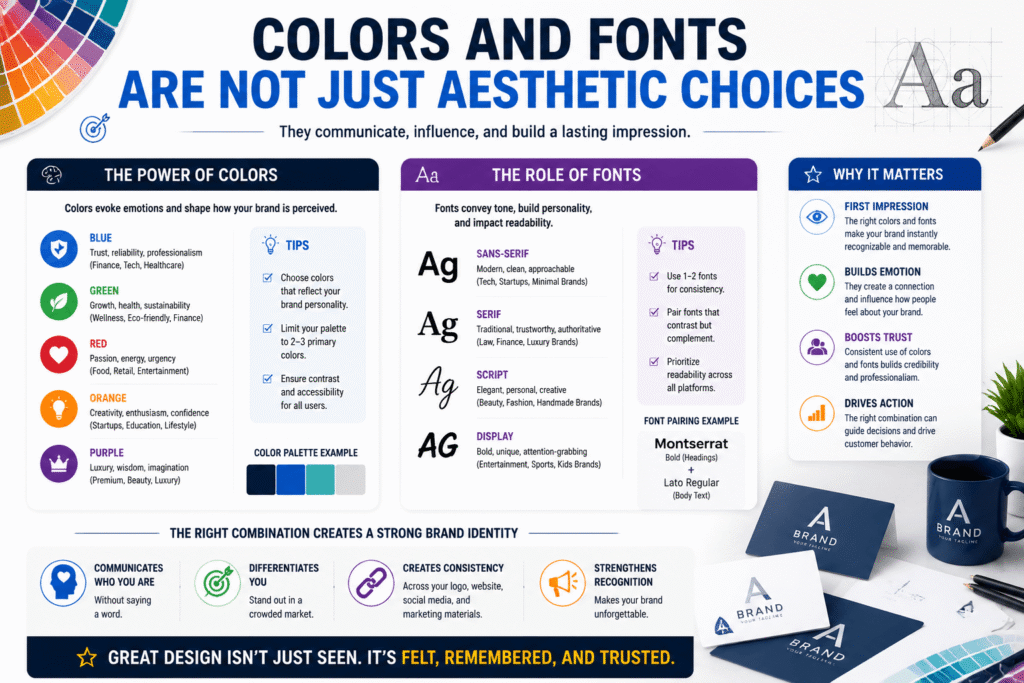
Colors play a psychological role in branding and influence customer perception. Each color carries meaning that affects emotional response. For example, blue is often linked to trust while red signals urgency or energy.
Typography is equally important because it communicates personality and tone. Using too many fonts creates confusion and reduces professionalism. A consistent font system strengthens brand identity across all platforms.
Both fonts and colors must work across digital and print formats. A strong logo remains effective whether it is displayed on a website, business card, or product packaging. This consistency is essential in modern branding.
You may also like:
Mistakes That Make a Logo Look Cheap Regardless of the Concept
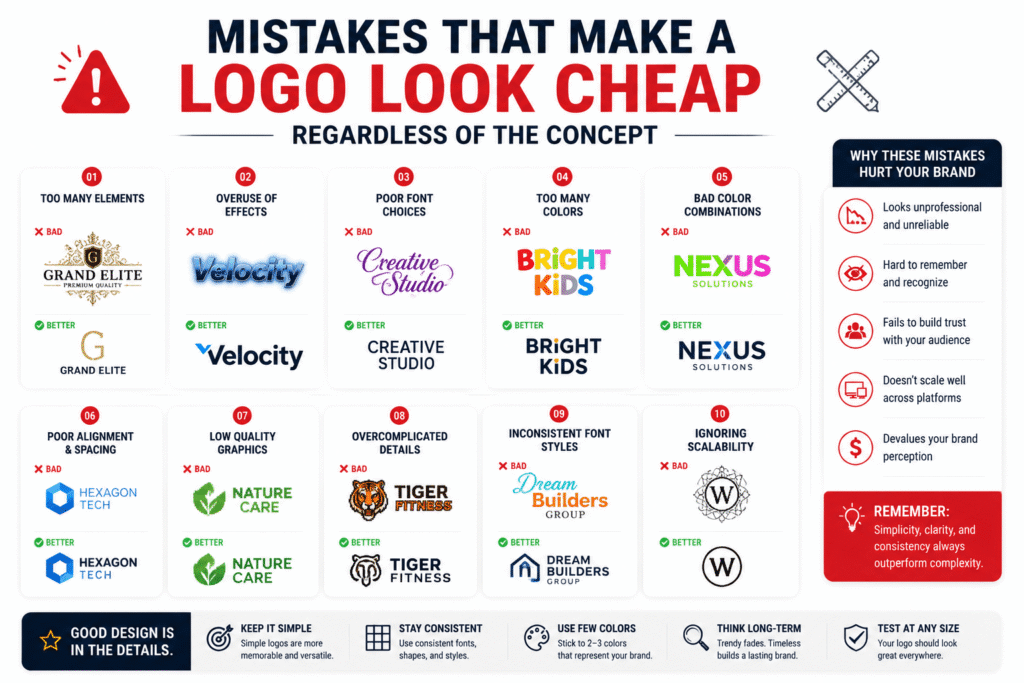
One of the most common mistakes is using raster images instead of vector formats. Raster files lose quality when resized, which makes them unsuitable for professional branding. Vector files ensure clarity at any scale.
Another issue is overcomplicating the design with too many elements. A cluttered logo becomes difficult to recognize, especially in small sizes. Simplicity is key to creating strong visual identity.
Many designers also skip black and white testing. This step reveals structural weaknesses that are hidden in colored versions. Ignoring it can result in logos that fail in real-world applications.
You may also like:
Conclusion
A successful logo is not created by chance, it is built through strategy, research, and refinement. Businesses that understand how to create a business logo design properly avoid costly rebranding and identity issues in the future.
Every stage, from brand research to tool selection, plays a role in the final outcome. Ignoring any step weakens the overall effectiveness of the design. A strong logo communicates clarity, trust, and professionalism.
For platforms like Its Tech Club, this structured approach to branding helps businesses create long-term visual assets. A well-designed logo is not just a symbol, it is a strategic tool that supports growth and recognition.