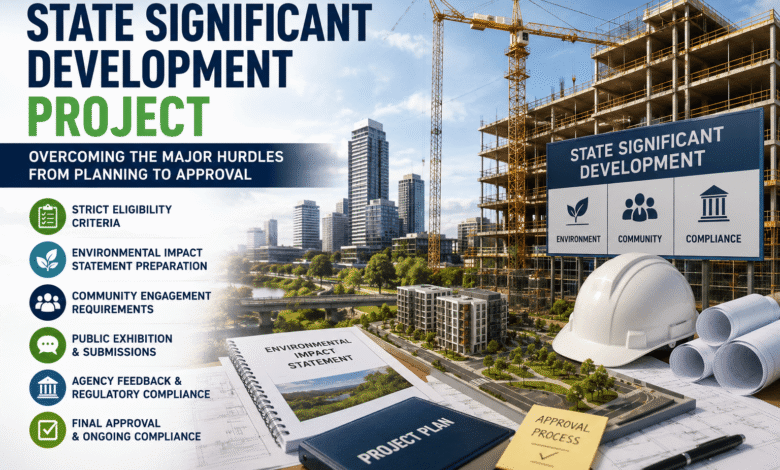
Large infrastructure and development projects often play a vital role in supporting economic growth, creating jobs, and improving public services. However, obtaining approval for a State Significant Development project is rarely straightforward. Developers frequently encounter regulatory challenges, environmental obligations, community concerns, and extensive consultation requirements before construction can begin.
Understanding these hurdles early can significantly improve project outcomes. Careful planning, strong stakeholder engagement, and effective compliance management can help reduce delays and improve the likelihood of approval.
Understanding the Strict Eligibility Criteria
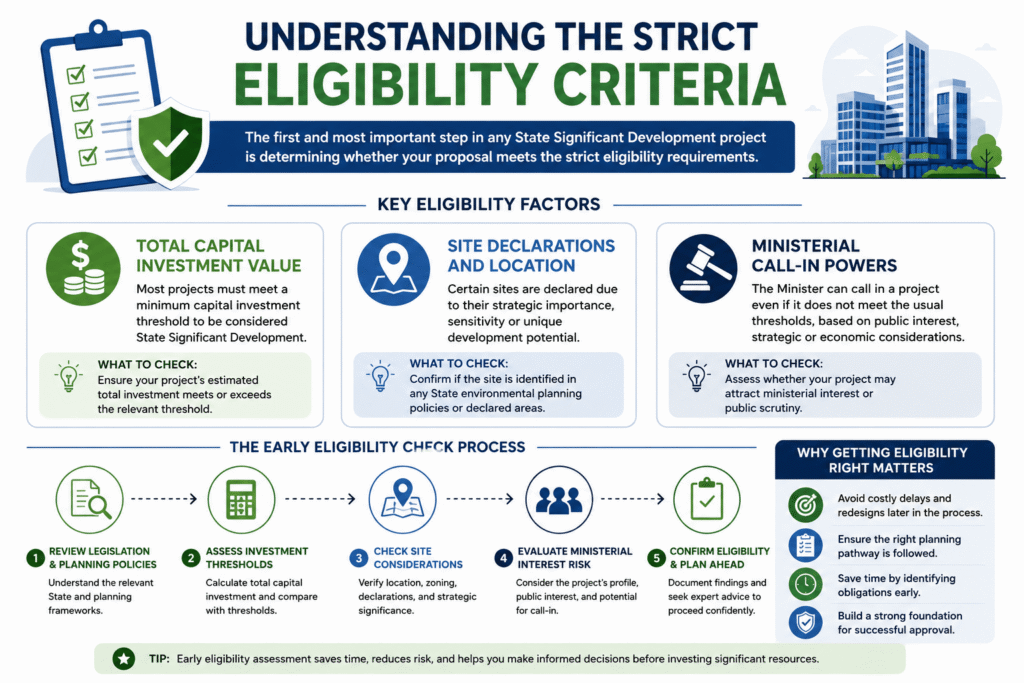
One of the earliest challenges involves determining whether a proposed project qualifies as State Significant Development under the applicable planning framework. Many project proponents struggle to understand whether their development meets the required thresholds.
A common source of uncertainty relates to total capital investment value. Different project categories may require specific investment levels before they can be assessed as State Significant Development. Developers often spend considerable time evaluating whether their project falls within these requirements.
Confusion also arises regarding site-specific declarations and ministerial call-in powers. Certain developments may qualify because of their location, strategic importance, or broader economic impact. Interpreting these provisions can be difficult without specialist planning advice.
Project teams should conduct a detailed eligibility review during the earliest stages of planning. This assessment helps identify regulatory obligations and avoids costly redesigns later. Seeking guidance from experienced planning consultants can also provide greater certainty before substantial resources are committed.
A clear understanding of eligibility requirements creates a stronger foundation for every subsequent stage of the approval process.
Managing the Lengthy Environmental Impact Statement Preparation
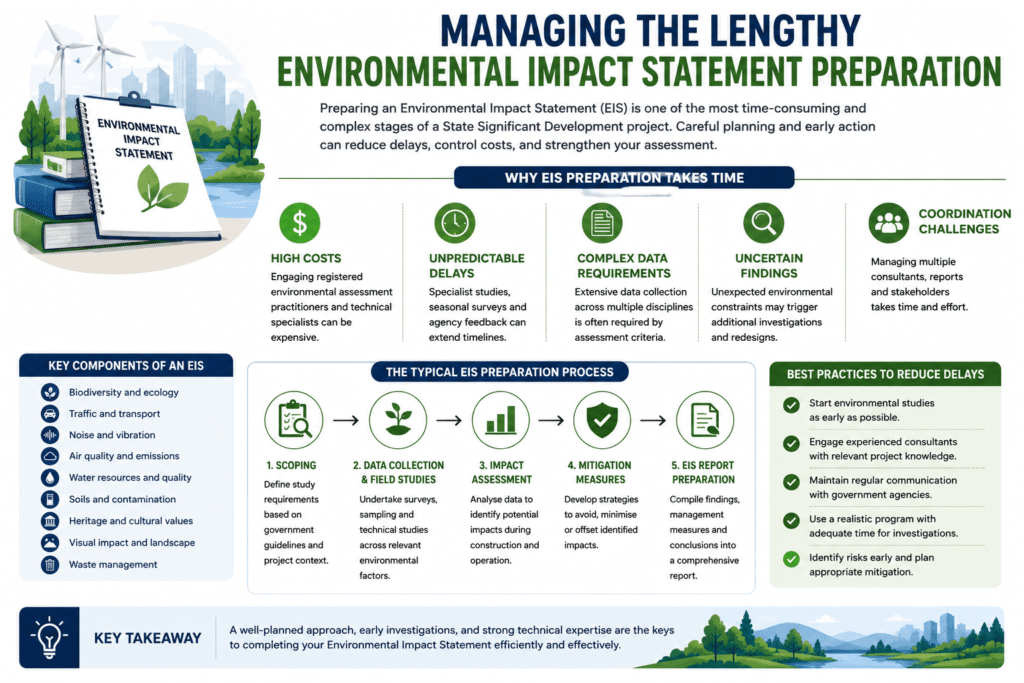
Preparing an Environmental Impact Statement often becomes one of the most demanding phases of a State Significant Development project. This document forms a critical part of the assessment process and requires extensive technical investigations.
Many developers face high costs when engaging registered environmental assessment practitioners. These specialists must evaluate numerous environmental factors, including biodiversity, traffic, air quality, noise, water management, and heritage impacts.
The complexity of data collection requirements frequently creates additional challenges. Government agencies often establish detailed assessment criteria that require extensive surveys and technical modelling. Gathering accurate information can take several months, particularly for large projects involving sensitive environmental areas.
Delays commonly occur when specialist reports reveal unexpected environmental constraints. Additional investigations may become necessary before the Environmental Impact Statement can be finalized. These unforeseen requirements can place significant pressure on project budgets and schedules.
Developers can reduce risks by initiating environmental studies as early as possible. Early investigations allow sufficient time to identify potential issues and implement mitigation measures before major design decisions are finalized.
A proactive approach often results in stronger documentation and fewer complications during government assessment.
Dealing With Extensive Community Engagement Requirements
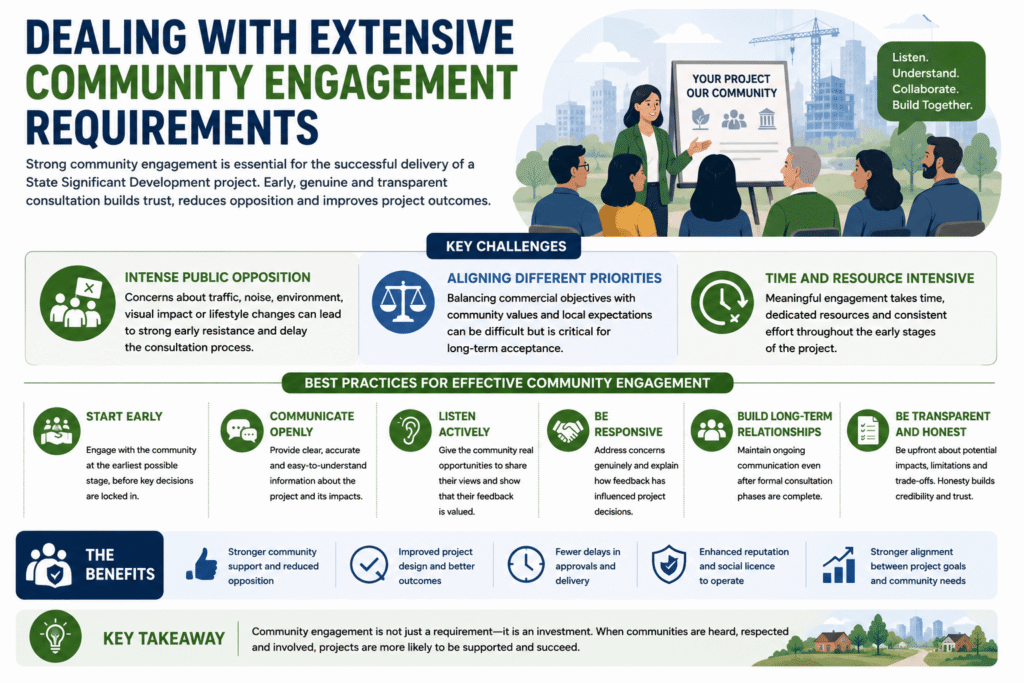
Community engagement has become an increasingly important component of modern development approvals. Government authorities expect developers to consult affected stakeholders before formal assessment processes begin.
Public opposition frequently emerges during the early consultation stages. Local residents may express concerns regarding traffic congestion, noise impacts, environmental effects, visual changes, or pressure on existing infrastructure. These concerns can significantly slow project progress when not addressed effectively.
Developers often struggle to balance commercial objectives with community expectations. While project proponents aim to achieve financial and operational goals, local communities typically prioritize neighborhood character, environmental protection, and quality of life considerations.
Successful engagement requires transparency, responsiveness, and genuine collaboration. Communities are more likely to support projects when they feel their concerns are being acknowledged and addressed appropriately.
Clear communication materials can help explain project benefits while providing accurate information about potential impacts. Community workshops, information sessions, and consultation meetings often create opportunities for productive dialogue between developers and stakeholders.
By investing in meaningful engagement early, project teams can reduce opposition and build stronger relationships with affected communities.
Navigating the Public Exhibition and Submission Phases
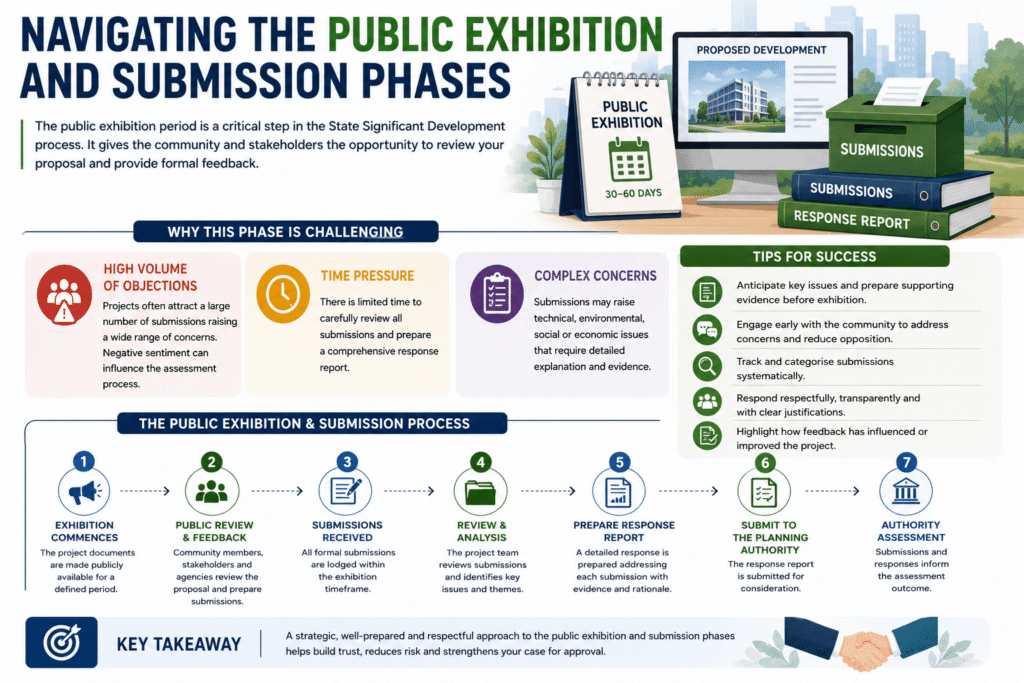
The public exhibition period represents another major hurdle for many State Significant Development projects. During this phase, project documentation becomes available for public review, allowing stakeholders to submit formal feedback.
Many developers experience significant anxiety about receiving a large volume of objections. Public submissions can raise complex concerns regarding environmental impacts, traffic management, social consequences, and design issues. Negative public sentiment may influence the overall assessment process and increase scrutiny from decision-makers.
The pressure often intensifies once submissions are received. Project teams must carefully review every concern and prepare a comprehensive response report. This process requires detailed analysis and coordination among planning consultants, environmental specialists, engineers, and legal advisers.
Responding effectively involves more than simply defending the proposed development. Authorities generally expect developers to demonstrate how concerns have been considered and addressed. In some cases, project modifications may be necessary to resolve significant issues.
Well-prepared project teams often develop response strategies before the exhibition period begins. Anticipating potential concerns allows developers to prepare supporting evidence and mitigation measures in advance.
A thorough and respectful response process can strengthen the overall assessment outcome and improve stakeholder confidence.
Addressing Agency Feedback Without Derailing Project Timelines
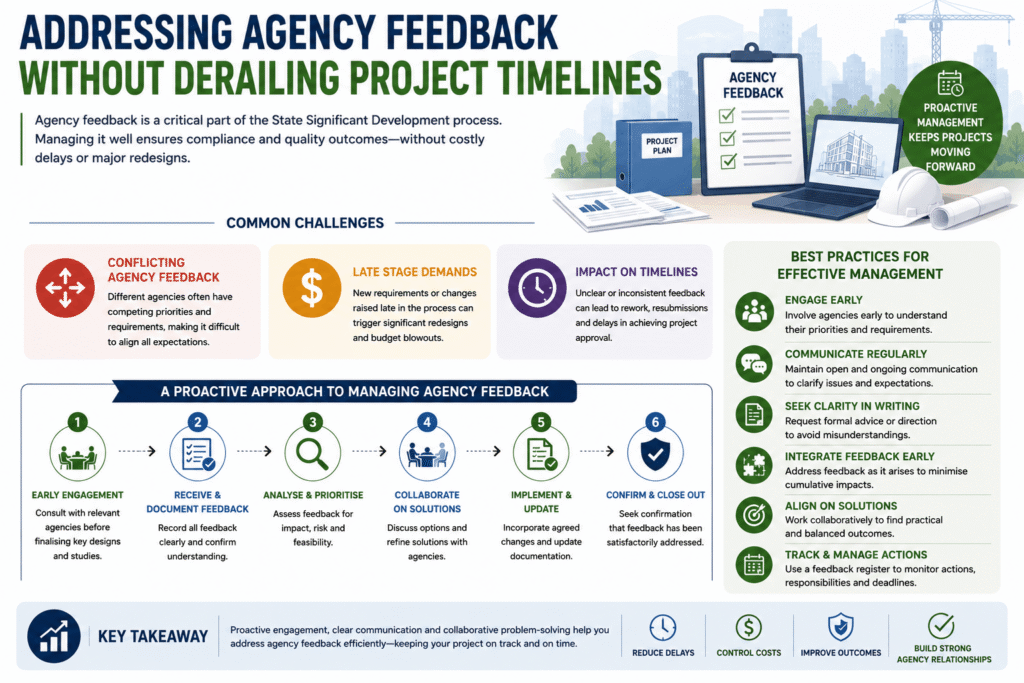
Government agencies play a critical role in reviewing development proposals. Their technical feedback often influences approval conditions and project design requirements.
One of the most frustrating challenges involves managing conflicting advice from multiple agencies. Environmental authorities, transport departments, utility providers, and heritage organizations may all have different priorities and expectations.
Conflicting feedback can create uncertainty regarding compliance requirements. Project teams may find themselves attempting to satisfy competing recommendations while maintaining project viability. This balancing act often requires extensive negotiation and technical coordination.
Late-stage regulatory feedback can also trigger substantial redesign costs. Changes to building layouts, infrastructure arrangements, environmental mitigation measures, or operational plans may require significant revisions to previously completed work.
Developers can minimize these disruptions by engaging agencies early in the planning process. Preliminary discussions often help identify key concerns before detailed designs are finalized. Establishing clear communication channels can also improve collaboration and reduce misunderstandings.
Regular coordination meetings help ensure that feedback is addressed consistently across all aspects of the project. This proactive approach can reduce costly surprises and support more efficient decision-making.
Strategies for Streamlining the Final Approval Process
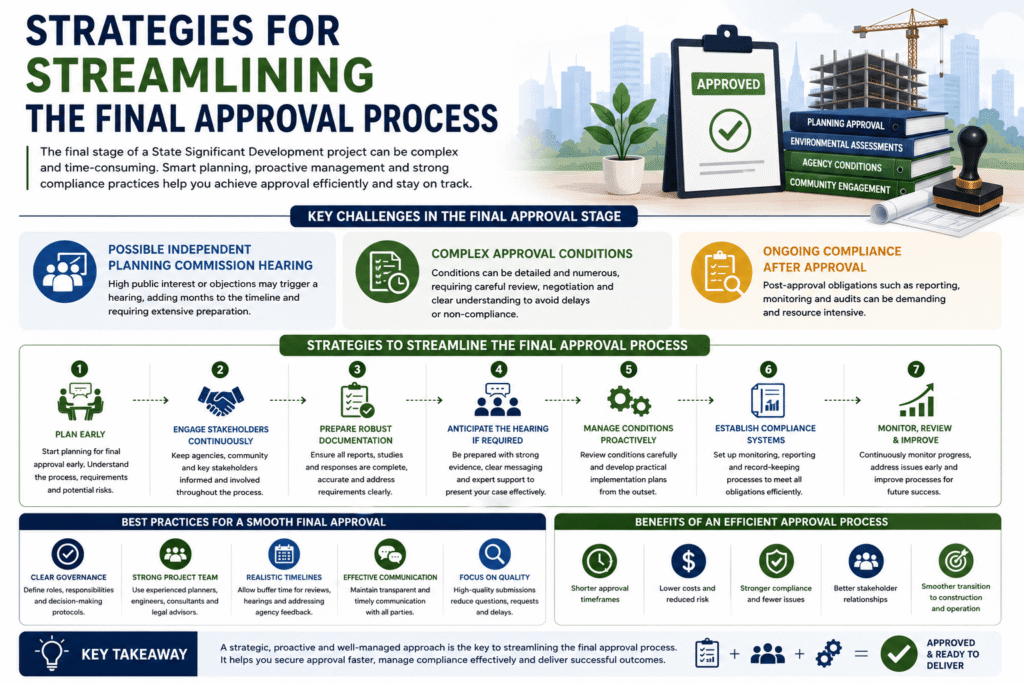
The final approval stage often presents unique challenges that test the endurance of project teams. Even after extensive planning and consultation, several factors can still affect approval timelines.
One significant concern involves the possibility of an independent planning commission hearing. These hearings may be required when projects attract substantial public interest or generate significant objections. The process can extend approval timeframes and require additional preparation by project proponents.
Developers should prepare for this possibility by maintaining comprehensive records throughout the assessment process. Well-documented consultation activities, technical studies, and mitigation measures can provide valuable support during hearings and reviews.
Another challenge emerges after approval is granted. Many project teams underestimate the effort required to manage compliance obligations. Approval conditions often include detailed reporting requirements, environmental monitoring programs, and operational audits.
Managing these responsibilities can become exhausting without appropriate systems and resources. Non-compliance may result in enforcement actions, reputational damage, or project delays.
Establishing dedicated compliance management processes helps maintain ongoing regulatory performance. Regular audits, staff training, and clear reporting procedures support successful project delivery throughout construction and operation.
As highlighted by Its Tech Club, successful State Significant Development projects are rarely achieved through technical expertise alone. Long-term success depends on strategic planning, stakeholder engagement, regulatory awareness, and consistent project management.
Conclusion
Delivering a successful State Significant Development project requires navigating a complex landscape of regulations, environmental obligations, public consultation requirements, and agency reviews. Each stage presents unique challenges that can affect budgets, timelines, and approval outcomes.
Understanding eligibility requirements, preparing comprehensive environmental assessments, engaging communities effectively, and managing regulatory feedback proactively can significantly improve project performance. Developers who invest in early planning and collaborative stakeholder relationships are generally better positioned to overcome obstacles and achieve successful outcomes.
For readers of Its Tech Club, the key lesson remains simple. Proactive preparation and informed decision-making are the most effective tools for overcoming the major hurdles associated with State Significant Development projects.