The Future of Wearable Technology: Trends Shaping a Connected World
Future of Wearable Technology: Top Trends & Innovations

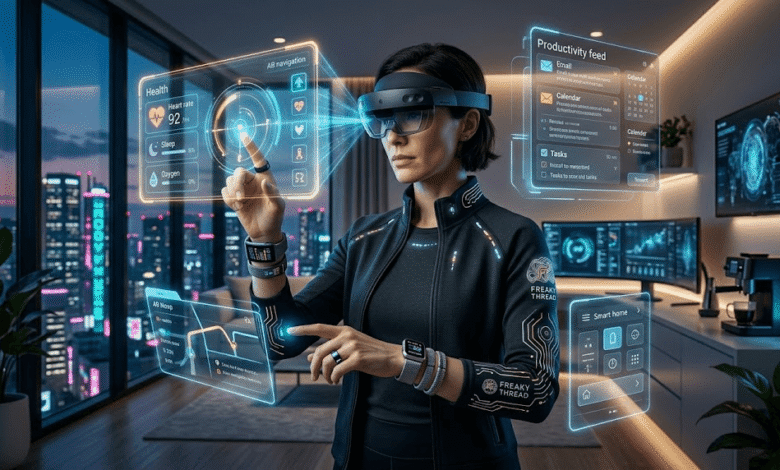
Wearable technology continues to transform our lifestyle, work, and health. Devices that once only recorded steps now monitor health, boost productivity, and expand digital experiences on phones and computers. Today, wearables are everywhere—from smartwatches to smart clothing. Swift innovation promises even more radical changes in the near future.
Wearables have developed rapidly by combining sophisticated sensors, wireless technology, and AI into compact, portable devices. This combination creates new opportunities in healthcare, fitness, communication, entertainment, and more. Analysts predict that wearable technology will grow tremendously in the coming years.
This paper explores the most significant wearable trends, their relevance, and how they will transform lives.
Wearables Have Outgrown Fitness
Early wearable technology measured basic metrics such as calories burned or steps taken. Modern wearables capture detailed health data like heart rate, sleep patterns, and blood oxygen levels. They now serve roles in medical care, personal wellness, and performance tracking.
The biggest shift in wearable technology moves away from reactive tracking toward predictive insights. Future wearables will predict trends and recommend actions. For example:
- Prevent diseases early
- Suggest personalized wellness plans
- Notify users of unusual behaviors
Predictive analytics will make wearables essential for daily health and wellness.
AI Makes Wearables Smarter
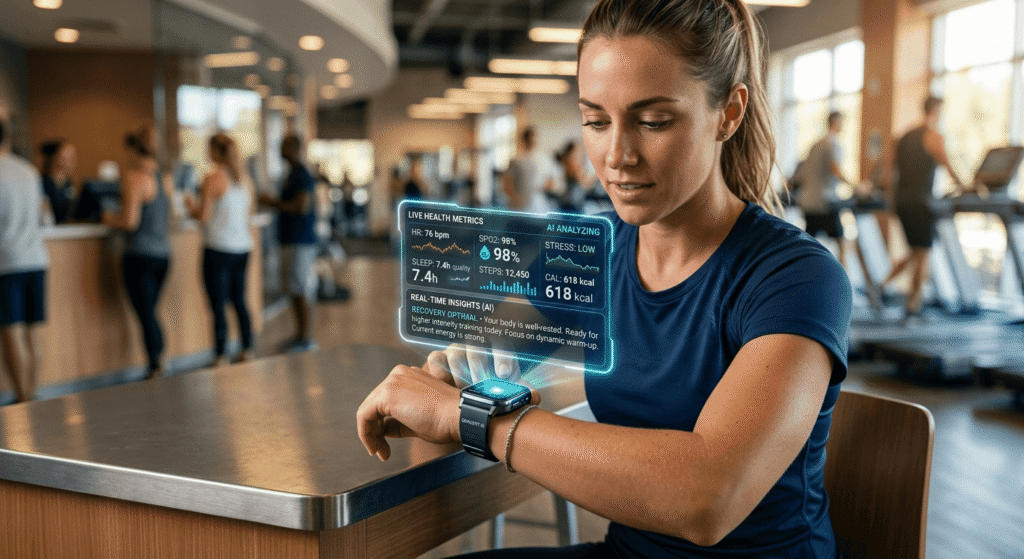
AI will drive future wearable experiences. Devices will not just collect data—they will analyze it instantly. AI will transform raw data into usable insights and provide tailored feedback based on individual habits and needs.
Examples include:
- AI health assistants warning users about early health issues
- Wearables suggesting lifestyle changes
- Devices anticipating fatigue or stress
AI will also enhance virtual assistants, predictive notifications, and real-time translation features in wearables. New chips designed for AI on wearables will run powerful models locally, increasing responsiveness and data privacy.
Next-Gen Materials Make Wearables Invisible
Future wearables will use flexible electronics and stretchable sensors that fit comfortably on the skin. Engineers aim to create almost invisible devices.
Innovations include:
- Bendable, stretchable, skin-soft electronics
- Smart clothes with embedded sensors
- Dissolvable wearable systems
These developments will streamline everyday use and open new applications in medical diagnostics and human-machine interaction.
Health Monitoring Becomes More Precise
Wearables have already transformed fitness tracking. The next step involves clinical-precision health monitoring. Future devices may include:
- Non-invasive blood glucose monitoring
- Continuous blood pressure tracking
- Body temperature measurement
- Stress and hydration analysis
Wearables will securely share health data with healthcare providers, enabling early diagnosis and preventive treatment. Healthcare will become proactive rather than reactive.
New Form Factors Expand Wearable Experiences
Fitness bracelets are no longer the only option. Future wearables will adopt novel shapes that integrate seamlessly into daily life:
- AR-based smart glasses with real-time notifications
- Smart rings tracking vital signs
- AI-enabled rings and bracelets
- Electronic tattoos and second-skin electronics
These new forms will change how people interact with digital experiences and physical spaces.
Security, Privacy, and Battery Life Remain Challenges
Wearables face ongoing challenges. Data privacy tops the list since devices collect sensitive personal information. Battery life also remains a limitation, as smarter devices still require frequent charging. Scientists are exploring alternative energy solutions and advanced batteries to address these issues.
Once these challenges are solved, wearables will gain trust and become even more widely used.
Wearables Integrate into Connected Ecosystems
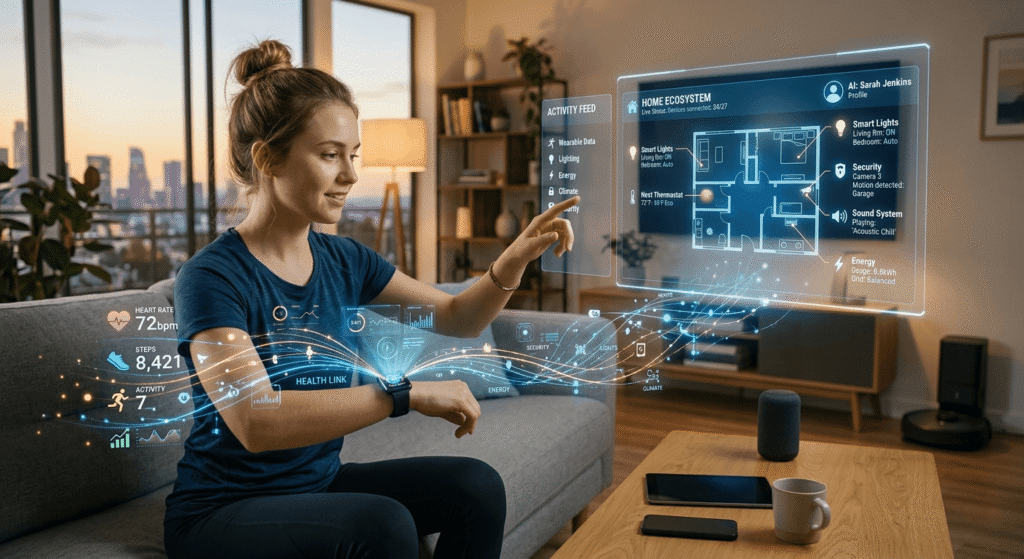
Future wearables will not function in isolation. They will become part of smart homes, telemedicine, and IoT networks. People will control devices, exchange health insights, and connect seamlessly with digital services.
In these ecosystems:
- Devices communicate intelligently
- Users enjoy smooth connectivity
- Technology integrates naturally into daily life
Wearables will become essential nodes in an interconnected world.
Summary: A Networked, Wellness-Centered Future
Wearable technology has a bright future. Devices have evolved from simple step counters to smart companions that inform, predict, and assist in daily life.
Enhanced sensors and powerful AI will provide users with insights previously unavailable. Wearables will help individuals stay healthier, more informed, and better connected. The market will continue growing rapidly, affecting industries, lifestyles, and personal health.
Wearables will not just be part of our bodies—they will become part of the fabric of modern life.